
Rosacea is a common skin condition that affects the face and can also be in the eyes.
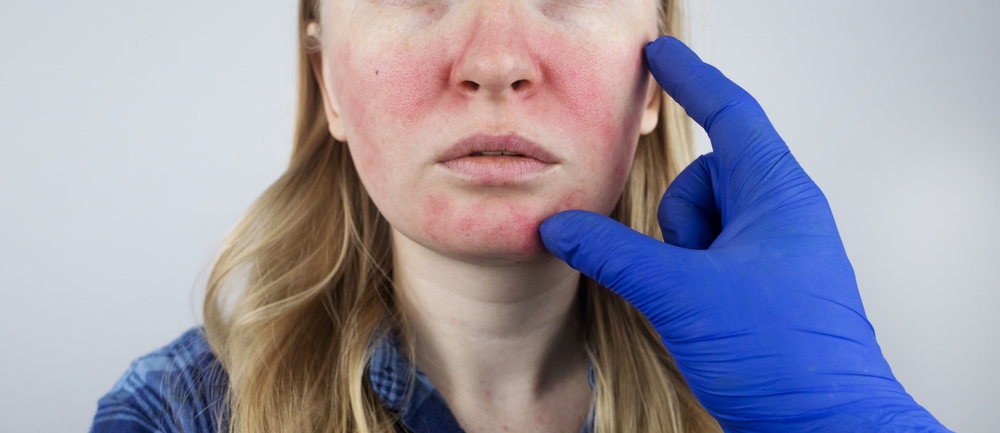
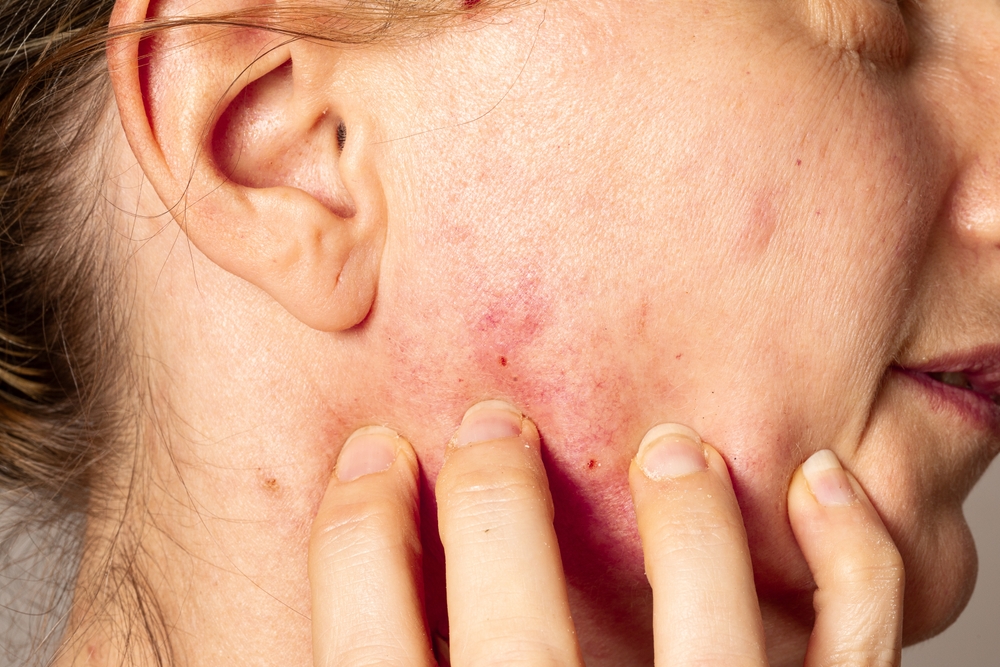
People may look red in the face as the skin looks blotchy. Large patches may frame the nose, cheeks and chin and the sufferer may be self-conscious because of this. The skin can look and feel angry, the skin may harden around the nose.
It is mostly recognisable by:
- Redness across the cheeks, nose, chin or forehead
- Flushing or burning/stinging sensations
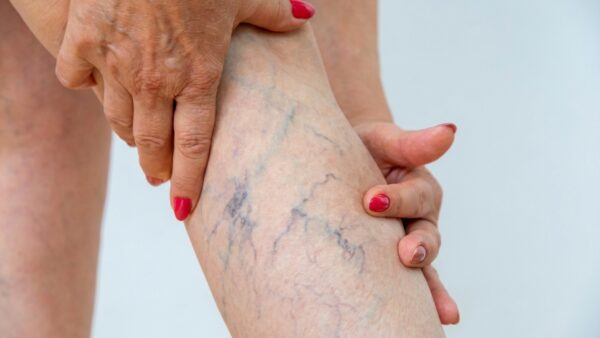
- Small visible blood vessels
- Acne-like bumps, sometimes with swelling
- Eye irritation in some people, such as dryness, redness or a gritty feeling.
People with Rosacea need to be careful about protecting their skin in the sun, as well as when using new skincare products. Flare ups may be caused by stress, hormonal changes and even hot drinks and spicy foods. Like people with allergies and other skin conditions, people with Rosacea will learn what the triggers are for them. They may have periods when their skin doesn’t show many symptoms at all.
What are the treatment options for Rosacea?
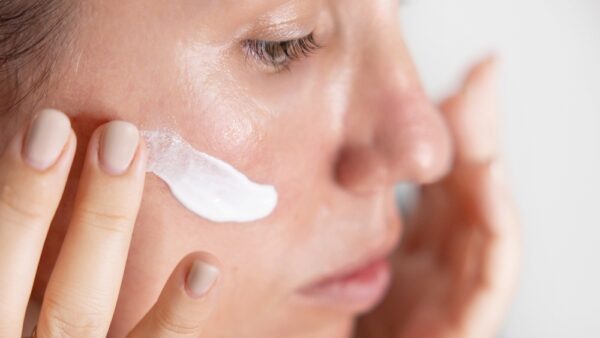
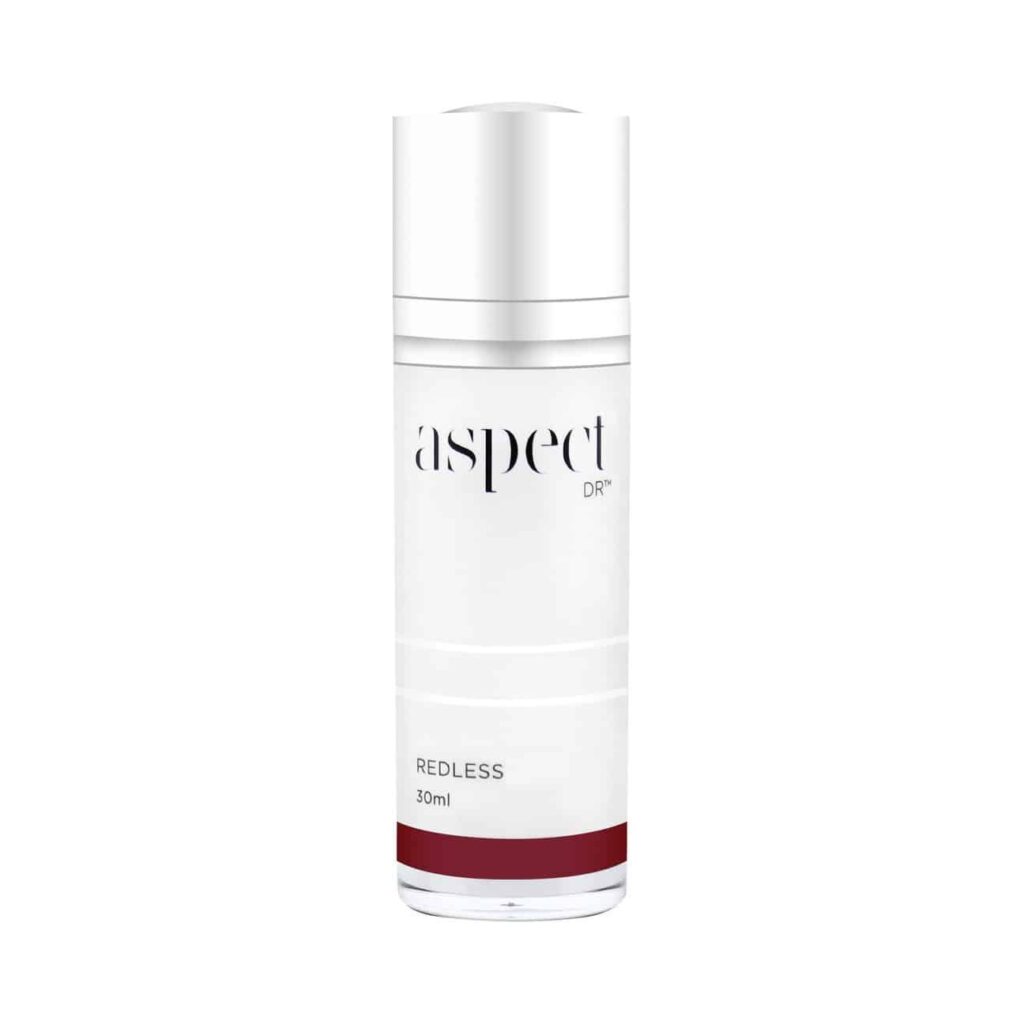
- Treatment focuses on controlling the symptoms, reducing flare ups and protecting the skin, particularly from the sun. Options depend on the type and severity of Rosacea, including using gentle skincare products that are fragrance free and water based. This might be a mild cleanser/moisturiser or skincare designed specifically to manage the condition, like Aspect Dr’s Redless. Redless helps calm inflamed and sensitive skin. Regular use of a broad-spectrum sunscreen (SPF 30 or higher) is also useful.
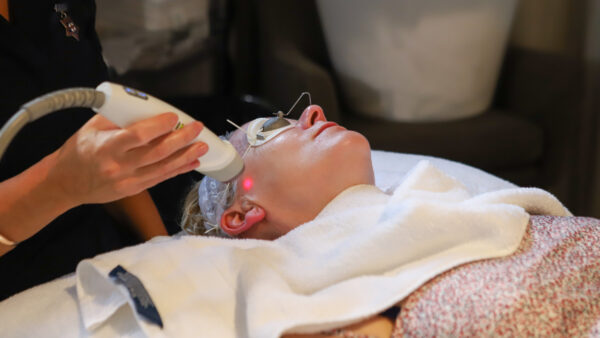
- Skin laser or intense pulsed light (IPL) can be effective for reducing redness over time and relieving some of the other symptoms, like swelling or burning. Triggers for your Rosacea will still need to be managed. Talk to our Aesthetics team or send a photo for advice on the best treatment option for you.
- With the right combination of skin care, medications and, where appropriate, laser treatment, most people achieve excellent long-term control of their Rosacea.
- If your Rosacea is causing acne-like bumps and pimples, we recommend seeing a dermatologist who may prescribe anti-inflammatory products or antibiotics and other topical treatments. If your Rosacea affects your eyes, you will need advice from an eye specialist.