
As people get older, the valves in their veins can weaken, making it harder for blood to flow efficiently and causing it to pool or fragment in places. Most commonly on the legs. This is the main cause of varicose veins and visible spider veins.
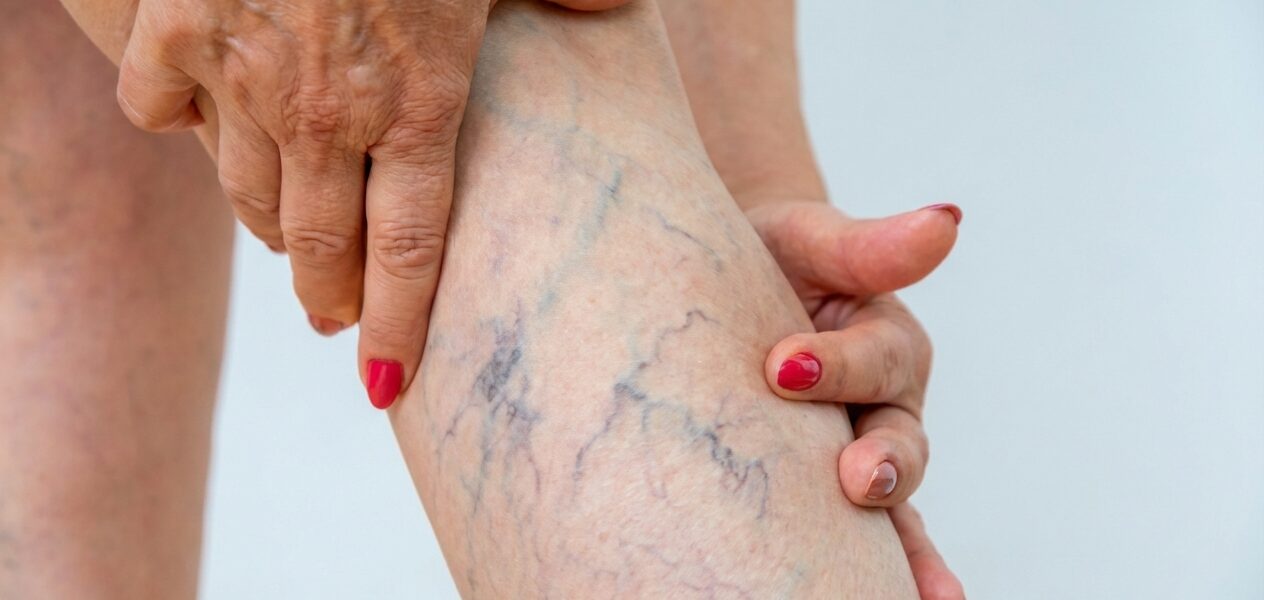
Visible spider veins – small red, bluish vessels near the skin surface
Increased pressure in the veins from the leaking valves can lead to the appearance of bulging varicose veins. Small branches of these varicose veins sit just beneath the skin surface causing the bluish and purplish spider veins.
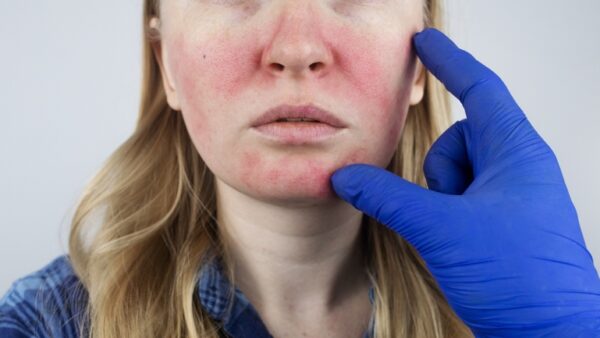
The fine red vessels (sometime called telangiectasia) result from prominent tiny arteries in the skin (arterioles and capillaries). These are also common on the nose and cheeks, as well as the legs.
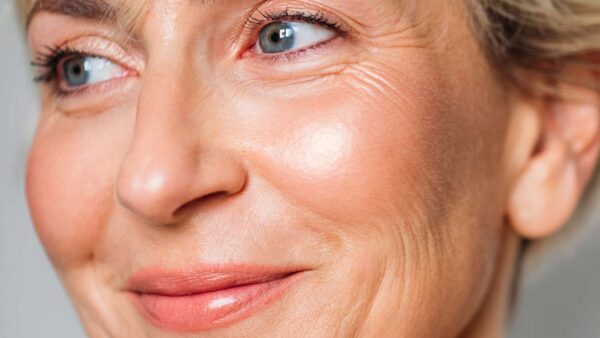
Sun-damaged and ageing skin loses its elasticity and support, which can mean spider veins are more visible. Visible spider veins on the legs occur more commonly in women and are related to hormonal changes which affect the skin in pregnancy and age.
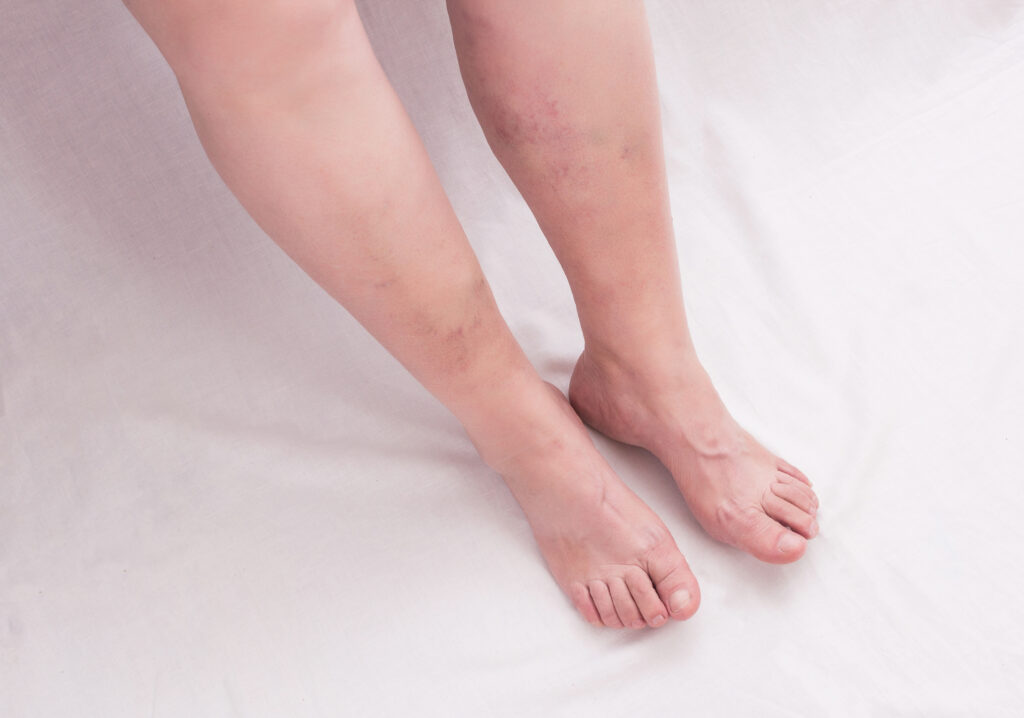
Varicose veins, on the other hand, mostly run in families
Varicose veins run in families/whanau. Mostly when you have varicose veins, you are aware, not only from their appearance but their associated symptoms. Tired, achy legs at the end of the day, puffy ankles.
Spider veins and/or varicose veins may be made worse by the type of work you do, eg, hospitality and barista work. If your day involves long periods standing, especially on unforgiving surfaces, like concrete, then, over time, your legs may develop symptoms, even if no one else in your family has them.

If spider veins are cosmetic, are varicose veins cosmetic, too?
Spider veins are usually cosmetic. We will treat them with a combination of injection (microsclerotherapy) and skin laser in Auckland and Wellington. Treatment is by one of our registered nurses at our Pulse Aesthetics clinics. The laser treatment involves pulses over these small vessels, so they reduce in number and appearance. They will usually take about 6-8 weeks to subside. Some will disappear as the laser moves over them. Our nurse will recommend how many treatments are needed for the best results.
Varicose veins are not cosmetic
Unsightly, ropey veins look cosmetic but veins that have become varicose veins are no longer doing their job of taking blood back to the heart. We call this venous insufficiency.
Most treatments for varicose veins are minimally invasive these days. They’re walk-in, walk-out with return to reasonably normal, but toned down, activity straight away. After treatment, the varicose veins slowly disappear over the next 3-4 months or so.