


A sonographer is a vocationally registered health professional who specialises in doing diagnostic ultrasound scans. Performing a number of different scans, including vascular (veins and arteries), musculoskeletal (muscles, joints, ligaments) and general (internal organs, soft tissue). Our sonographers also offer a number of tests, like ankle-brachial pressure indices and exercise treadmill tests. These examine how well blood travels at rest and when you walk, to find out if you have narrowed or blocked arteries.
Some people get confused between sonographer or radiographer. A sonographer’s diagnostic ultrasound uses high-frequency sounds waves to create images and assess structures and blood flow within the body. A radiographer uses X-ray, CT and MRI equipment to help examine bones or organs. See our blog on the differences between ultrasound and X-ray.
Our sonographer will travel to a clinic near you
Our sonographers perform scans at different hospitals or clinics in their region. This makes getting your scan more convenient, with less travel.

“I enjoy the precise nature of ultrasound scanning,” says Darshna Govind, Pulse Sonographer, “and the ability to provide useful information quickly. I know our role is vital in helping the specialists with diagnoses and next steps.”
Ultrasounds are a comfortable procedure, no injections
Sonographers start their day with a list of patients. Each patient meeting involves a quick chat about what to expect. Next, the sonographer will discuss any pre-instructions. For example, fasting. The ultrasound will usually take between 15 and 45 minutes and is a comfortable experience.
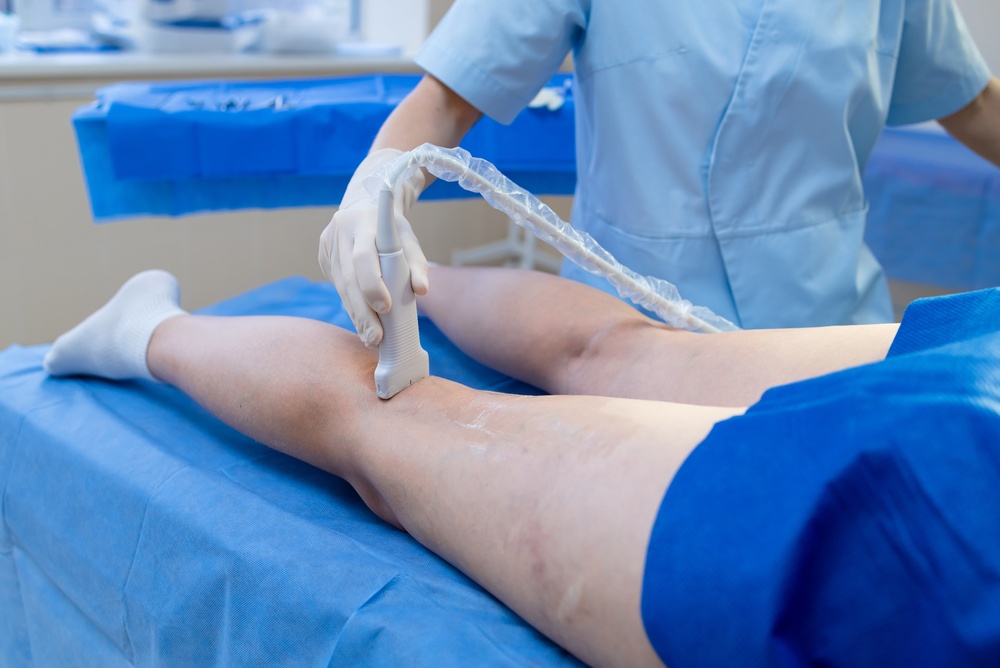
You will have your ultrasound scan done standing, sitting or lying down. Please wear loose clothing so we can scan the area easily. We place a small amount of warm gel on your skin and move a handheld probe over the area. You may feel gentle pressure if the area is tender. There are no injections. Our sonographer will not comment on the results of your scan.
After you’re on your way, the job isn’t complete for our sonographer. We upload the images, write a report and send them securely to our specialists for intepretation. Afterwards, we send a report to your general practitioner (GP), nurse specialist, nurse practitioner or another allied health professional who referred you. For example, a physio.
Note: you don’t need a referral, you can book your own appointment.