
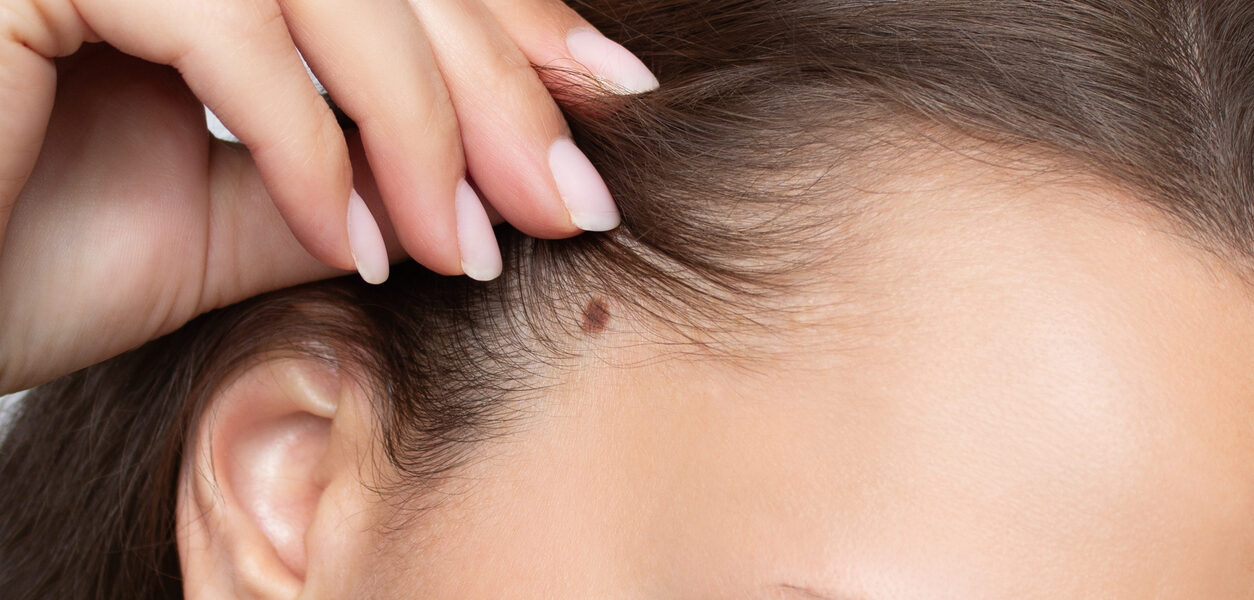
Social media is awash with treatments and advice for moles and other skin conditions. We see treatment in non-clinic environments by non-medical individuals. The surroundings are non-sterile. Technicians burn or laser off spots and moles, laser skin pigments and spread cream on inflamed skin. The operator may lack the medical training to identify what they can appropriately treat. We recommend seeking expert advice for your mole or skin condition.
Who should I see for advice on mole treatment?
At Pulse, all treatments for moles and skin conditions are by our team of registered nurses and surgeons. We follow strict hygiene procedures, in sterile settings, following standard, recognised medical practices. Our clothing is appropriate (scrubs), masks, gloves and we follow handwashing and sterilisation protocol. Needles and other sharp instruments (sharps) are disposed of in approved containers for collection.
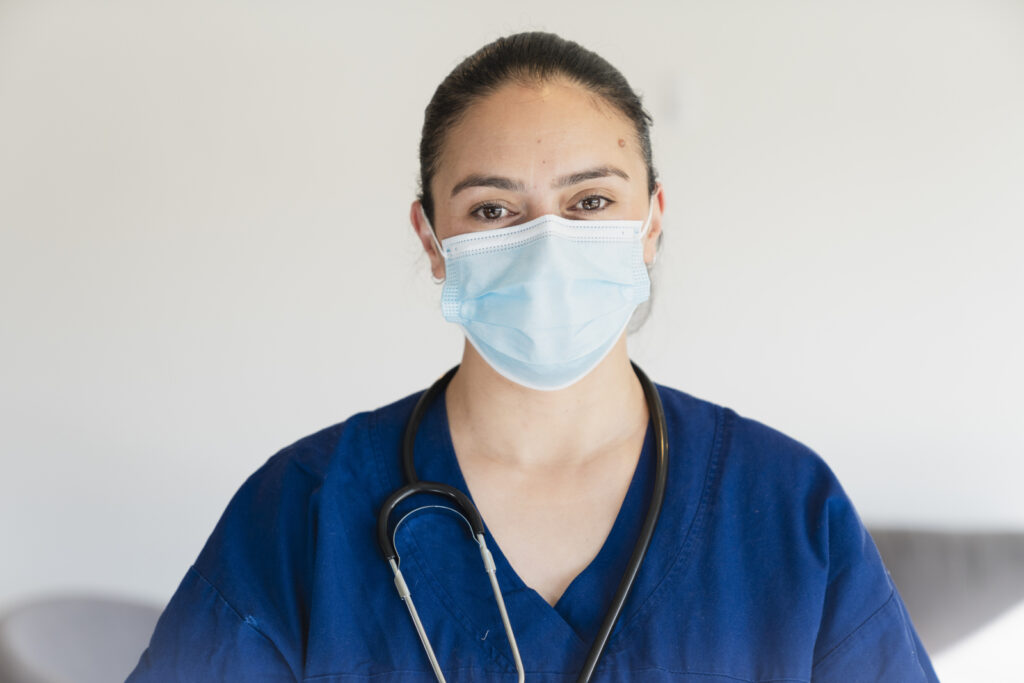
Only trained medical practitioners and other allied professionals should remove moles and give advice on them. Our surgeons and nurses are expert at identifying what can and cannot be treated and next steps.
Contact us or shop around for an approved registered skin cancer clinic near you or an aesthetics clinic run by registered nurses and supervised by medical specialists.
How do I know my mole needs looking at?
A mole is a dark patch on the skin and usually harmless. They come in different shapes and sizes. Some are perfectly round, others irregular. It’s when they change from their normal that you need to get advice.
This means if your mole has changed in size, shape or colour, is bleeding or growing rapidly, it’s time to contact us for advice.
We won’t always remove your mole. Sometimes we recommend just keeping an eye on it. Get in touch, you don’t need a referral, but your general practitioner (GP) or nurse practitioner (NP) can refer you.
We’ll remove your mole if it’s in a place that bothers you, it catches on clothing or is otherwise annoying.
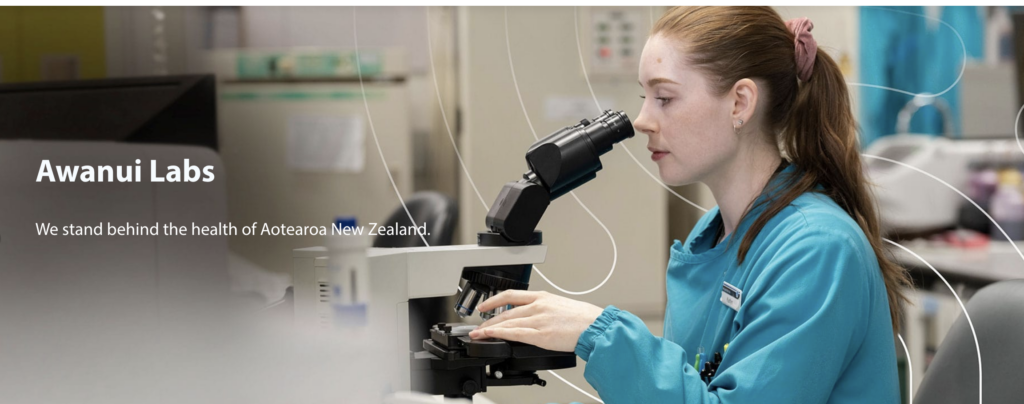
We routinely send the tissue, or a sample of the mole, away for examination. A service only available for registered medical practitioners or other allied professionals in New Zealand.
Where can I get mole treatment?
Find one of our minor surgery clinics, REV Minor Surgery, in the greater Wellington region, including Palmerston North and Kapiti. Minor surgery refers to small operations using local anaesthetic.