

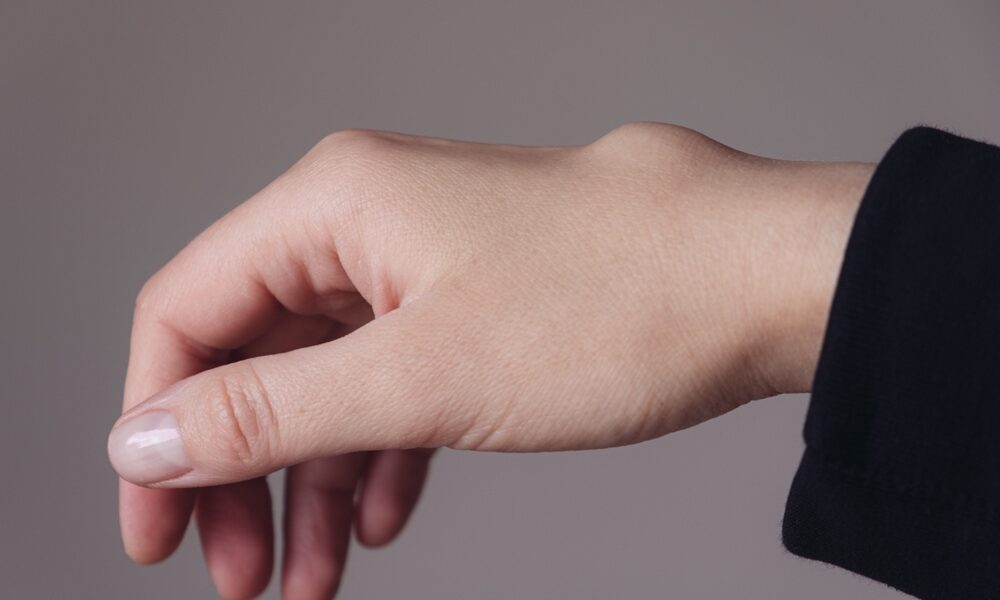
Years ago, people would drop a heavy bible onto a ganglion cyst to burst the thick fluid inside. More recently, it was the old, large, heavy telephone books of the 90s. Not surprisingly, we don’t recommend either of these methods to remove or burst a ganglion or any other cyst.
What is a ganglion cyst?
A ganglion cyst is usually benign but it’s important to have it checked to make sure it isn’t something more serious. Most often found on the wrist, hand, fingers or foot. And usually are a round, firm bump under the skin that can be tender to touch. As they grow, they can sometimes get in the way of normal movement. Mostly they are skin coloured but sometimes they may be inflamed, red or bruised looking.
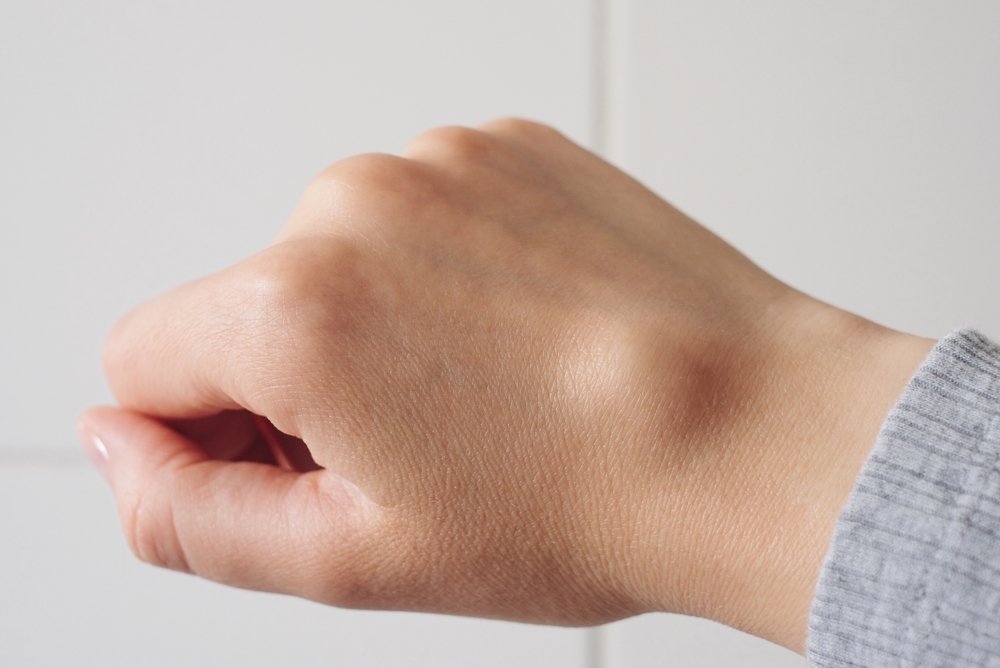
Get a cyst checked if:
- the lump is painful
- it is growing quickly
- you have numbness, tingling, or weakness on the joint or location
- it limits your normal activity
- it’s causing you worry
- you are unsure whether it is actually a ganglion.
What causes a ganglion in the first place?
The exact cause is not always clear but it may be linked to:
- irritation or weakness in the joint or tendons
- repetitive movement or strain
- a previous injury
- arthritis in some finger joints.
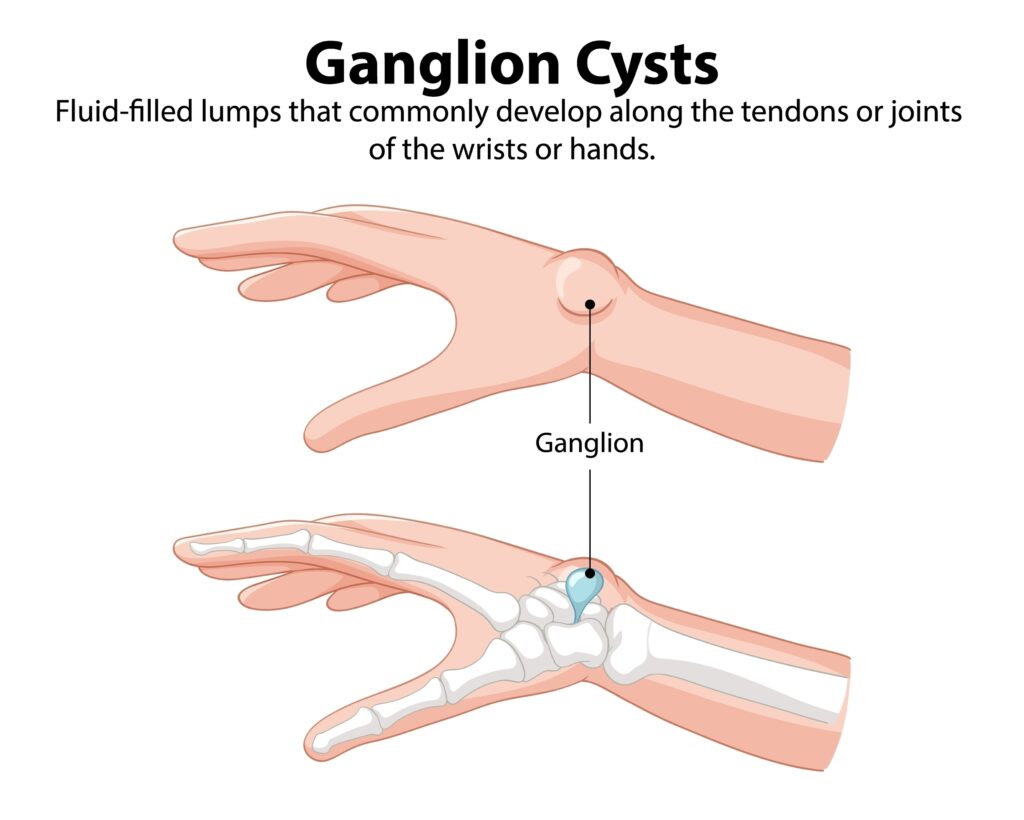
How do we treat a ganglion?
An ultrasound scan performed by one of our sonographers will confirm if it is a ganglion. From there, treatment depends on its size and location. In some cases, we may simply keep an eye on it, as ganglions can sometimes settle down on their own. If it’s painful, getting bigger or interfering with everyday life, we may drain the fluid. Minor surgery will remove the cyst and its stalk. We sometimes recommend this. This gives the best chance of minimising the risk of it returning.

Even with treatment, ganglions can sometimes return to the same spot, so it may not be the last you see of it.