


What is carotid artery disease?
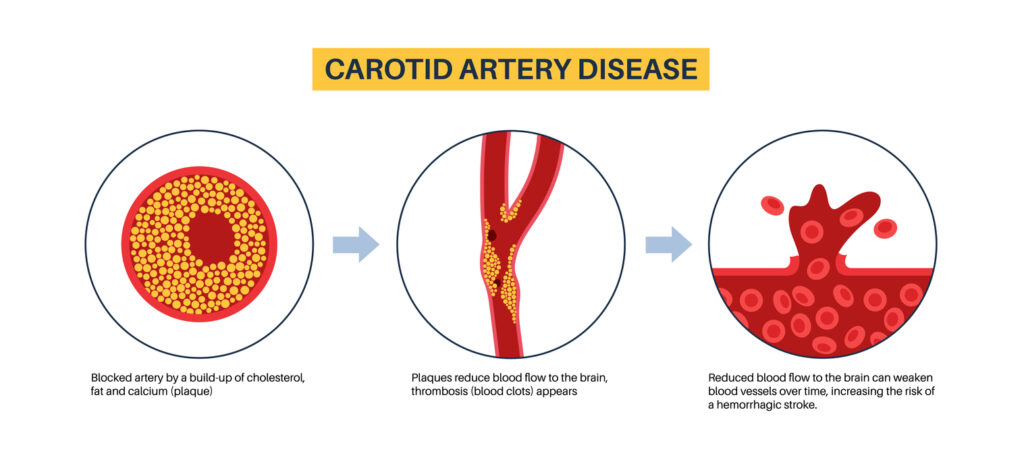
Carotid artery disease happens when the carotid arteries become narrowed or blocked. These two arteries, located on either side of the neck, carry blood from the heart to the brain. A build up of plaque, containing cholesterol and other fatty material, can block and therefore reduce blood flow. In some cases, a piece of plaque or a blood clot can break away and travel to the brain or sometimes behind an eye, which may lead to a stroke or a mini-stroke. Because, again, the plaque blocks blood flow. ‘TIA’ stands for transient ischaemic attack, sometimes called a ‘mini-stoke’.
What helps prevent carotid artery disease?
If you are at risk of carotid artery disease (smoking, having high blood pressure/cholesterol, previous stroke, overweight, diabetic, family history) our vascular specialists will recommend steps you can take to help minimise risk of stroke. Healthy lifestyle habits like:
- Not smoking
- Monitoring blood pressure, as high blood pressure can lead to stroke
- Having your cholesterol checked – taking steps to lower cholesterol if it’s high – sometimes losing weight/increasing exercise can help but most often you will be prescribed cholesterol-lowering medicine
- Managing diabetes or prediabetes – listen and heed advice about diet and exercise
- Exercising regularly — and make sure it is of moderate intensity. Unless you are new to exercise, then build up intensity
- Eating a heart-healthy diet — lots of vegetables, fruit, beans, whole grains, nuts, good fats, like avocado, fish; with less salt, sugar and saturated fat
- Maintaining a healthy weight
- Limiting how much alcohol you drink; have alcohol-free days several times a week, if that helps you to cut back
- Taking medicines as prescribed – especially blood-thinning medication, usually low-dose aspirin to reduce the rate of plaque build up, cholesterol medication, usually a statin to lower cholesterol, and blood pressure medication. Establish a system to remember or have your pharmacy supply your medications in blister, day packs.
What are the treatment options?
When you see our team, you will likely have been referred by your GP or other allied professional. One treatment option is a procedure called a carotid endarterectomy, where plaque is removed to improve blood flow through the artery. One to two nights in hospital and usually considered for younger, relatively healthy people who have had a recent stroke or who have severe narrowing of the artery.
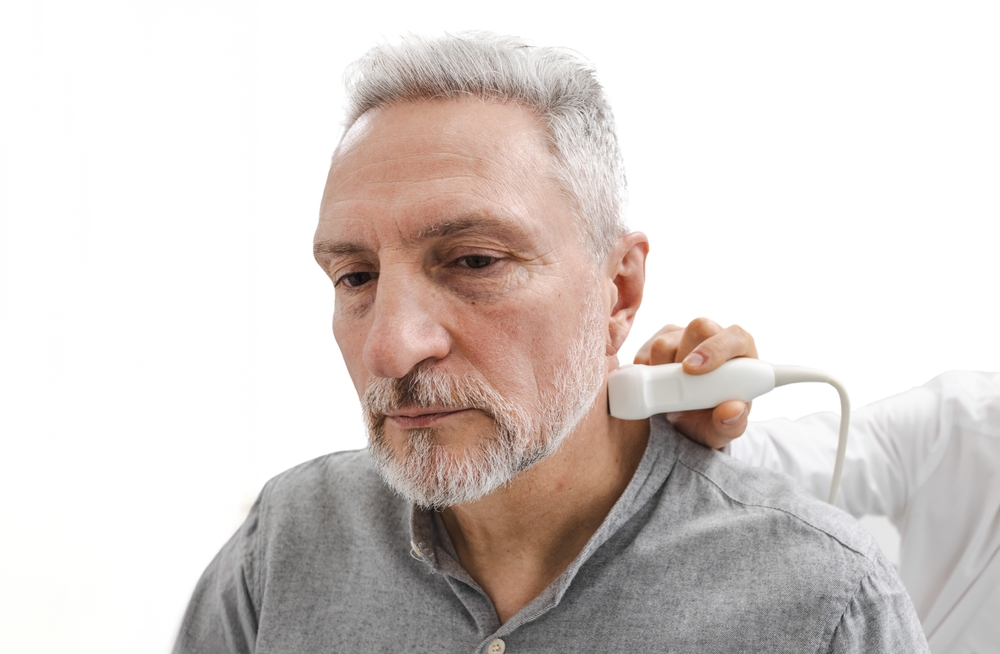
Otherwise, regular check ups and monitoring by our vascular specialists help manage carotid artery disease and reduce stroke risk. Sometimes, this will involve regular ultrasound scans to monitor progression of carotid artery disease.
Strokes linked to carotid artery disease account for around 25% of all strokes. Other strokes can happen for different reasons, including bleeding caused by a burst, torn or weak blood vessel in the brain (brain aneurysm), blocked tiny arteries in the brain from longstanding high blood pressure, cholesterol and diabetes and bloods clots that form in the heart usually from atrial fibrillation. The prevention steps above are helpful for supporting overall stroke prevention.
Symptoms to be aware of
Whatever the cause, carotid artery disease may go unnoticed until it is picked up during a check up or after a TIA or stroke.

It is important to seek urgent medical help if you suddenly experience:
- weakness or numbness on one side
- sudden headaches
- slurred speech, trouble speaking or understanding
- vision loss in one eye
- severe dizziness or trouble walking
- facial droop.