
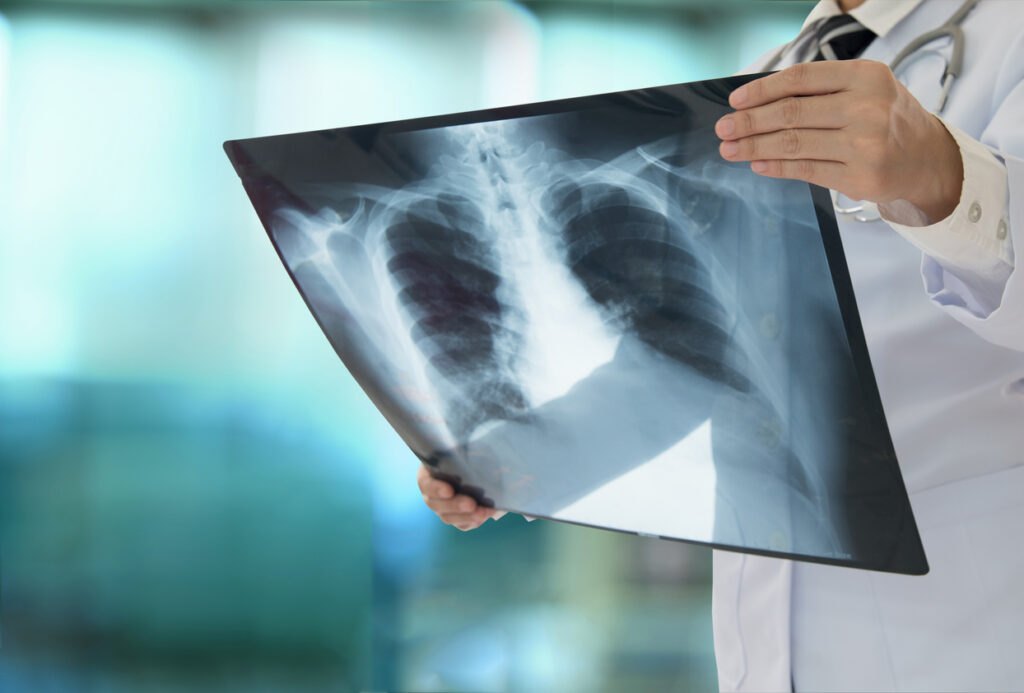
Both ultrasound and X-ray are imaging tests, ie, they take pictures of the body. Ultrasound scans examine soft tissues, like muscles and ligaments, blood vessels and varicose veins. X-rays view bones or organs. An X-ray can confirm whether there is a fracture.

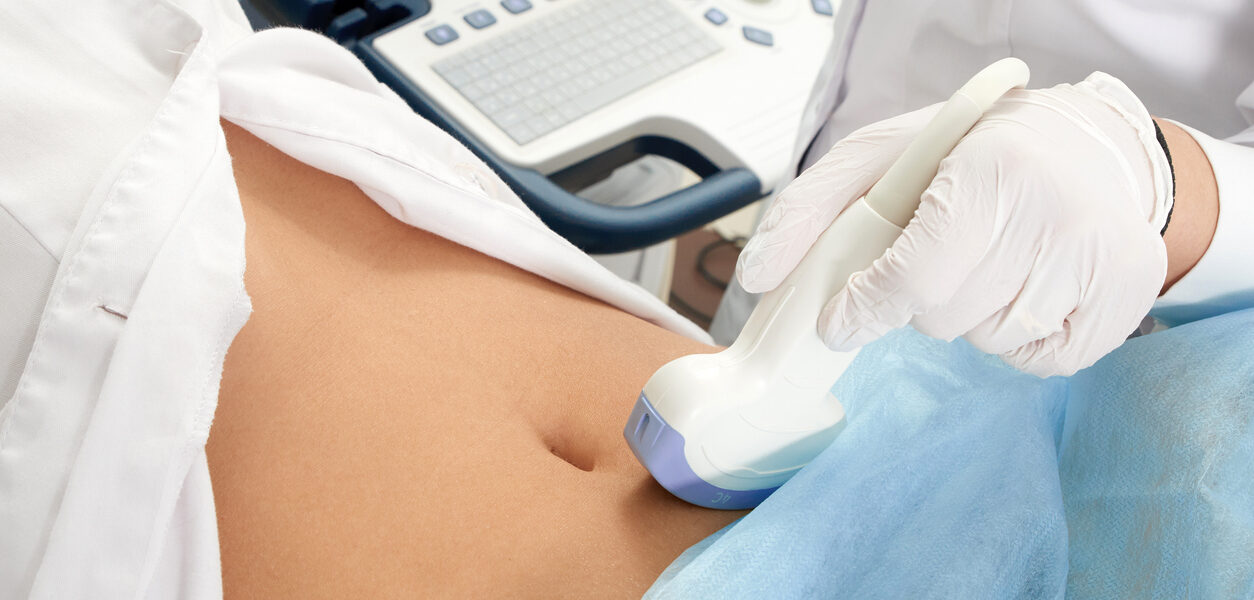
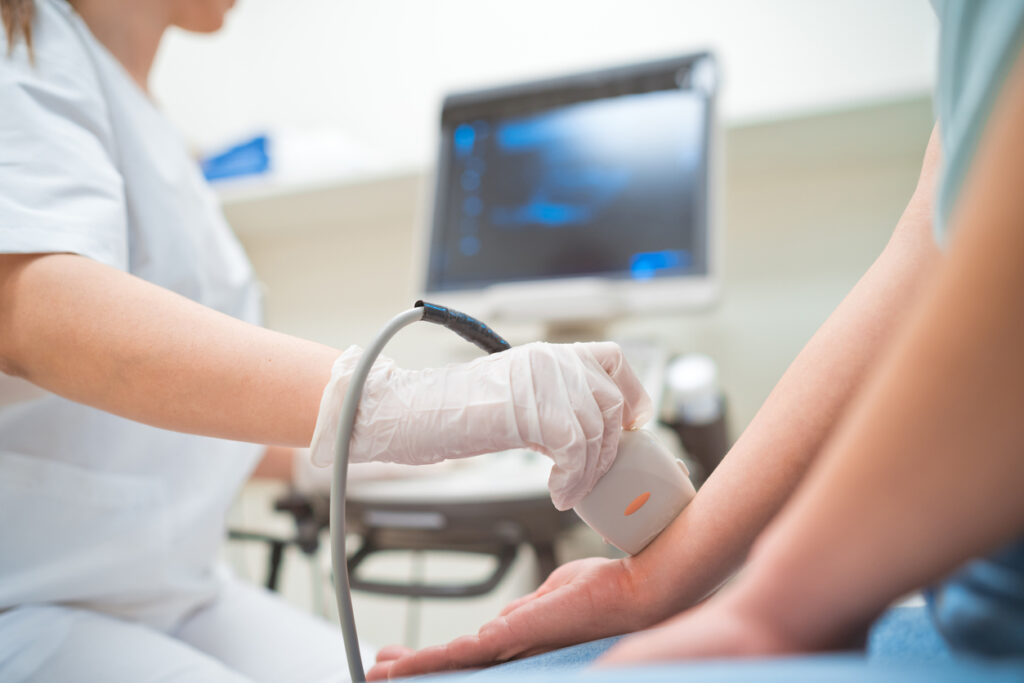
Ultrasound uses sound waves to create images on a screen for the sonographer, the specialist trained to perform and interpret the scan. An X-ray uses a small amount of radiation to create images on a screen. This radiation is why the technician will stand behind a screen so they are not subject to repeated radiation.
Ultrasound and X-ray are painless procedures
Some ultrasound scans require you to fast or have a comfortably full bladder. An X-ray may require you to fast if your test is over the abdomen. And you’ll need to take off any jewellery or belts.
You lie on a bed or sit upright, depending on what part of the body is being scanned or X-rayed. For the X-ray you will need to sit still for the best clear picture, while the machine around you takes pictures. Gel helps guide a probe over the area when you have an ultrasound.
The only uncomfortable thing about both tests is if you have to hold your limb or body in an unusual position. But this will be for a short period. For both tests you may need to hold your breath, if the test is in the abdomen or chest. The ultrasound usually takes a little longer, between 15 and 30 minutes. For an X-ray you should be out of the clinic in 10-15 minutes.
After both tests, an expert, like a radiologist, will interpret the images and send the results to your referring health professional or GP.
How do you get an ultrasound and X-ray?
Referral is by your general practitioner (GP) specialist or other allied health professional. For an ultrasound scan you can refer yourself to Pulse Ultrasound.
Note: pregnancy scans are not offered.
Pulse Ultrasound – extensive ultrasound service, nationwide
You will always have an ultrasound scan before varicose vein treatment with us. We will either arrange an ultrasound before your treatment or perform one on the day of treatment.
Pulse Ultrasound provides expert diagnostic ultrasound scans nationwide. Vascular, general and musculoskeletal scans help diagnose the cause of lumps and bumps, soft tissue injuries and pain and inflammation in internal organs. As well as vascular ultrasounds that give real-time images of veins and arteries to assess blood flow, the condition of vessel walls and to monitor patients with conditions, like aneurysms, a suspected blood clot or DVT (deep vein thrombosis) and varicose veins.
Other tests include those for ankle-brachial index testing to check for blocked or narrowed arteries and exercise treadmill tests to check how blood is flowing in your legs when you walk to help diagnose pain or blocked or narrowed arteries. Pedal acceleration tests measure how quickly blood is flowing to your feet and toes.
For more information email: scans@pulseultrasound.nz