

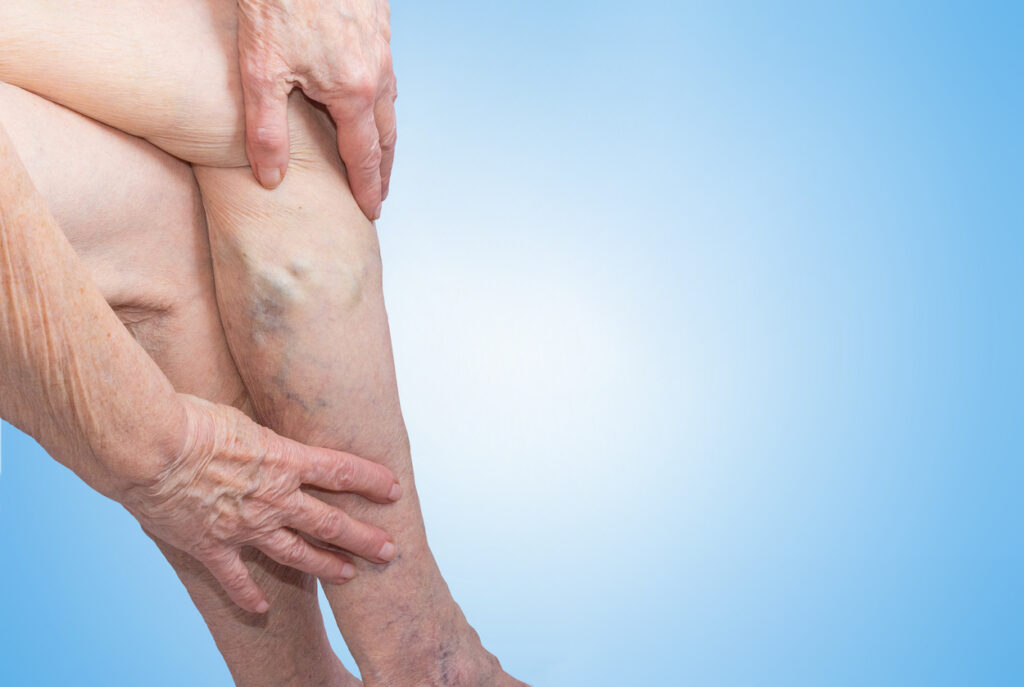
There are plenty of varicose vein myths about what causes them and what helps them. Varicose veins are usually seen on the legs as twisted, bulging veins, although they may be in other parts of the body too, for example, the pelvic region. They are more than just a cosmetic concern, with symptoms like aching legs, swollen ankles or restless legs at night. Inactivity, like when on longhaul flights or long-distance car rides, may increase symptoms. As well as increase the risk of blood clots. We recommend wearing medical-grade compression socks when travelling long distance. These help to keep circulation moving.
Our top varicose vein myths include:
Myth: You get varicose veins from crossing your legs
This is one of the most common varicose vein myths. Crossing your legs does not cause varicose veins. More often linked to family history, pregnancy, obesity and spending long periods standing, especially on hard surfaces.
Myth: You need major surgery to treat them
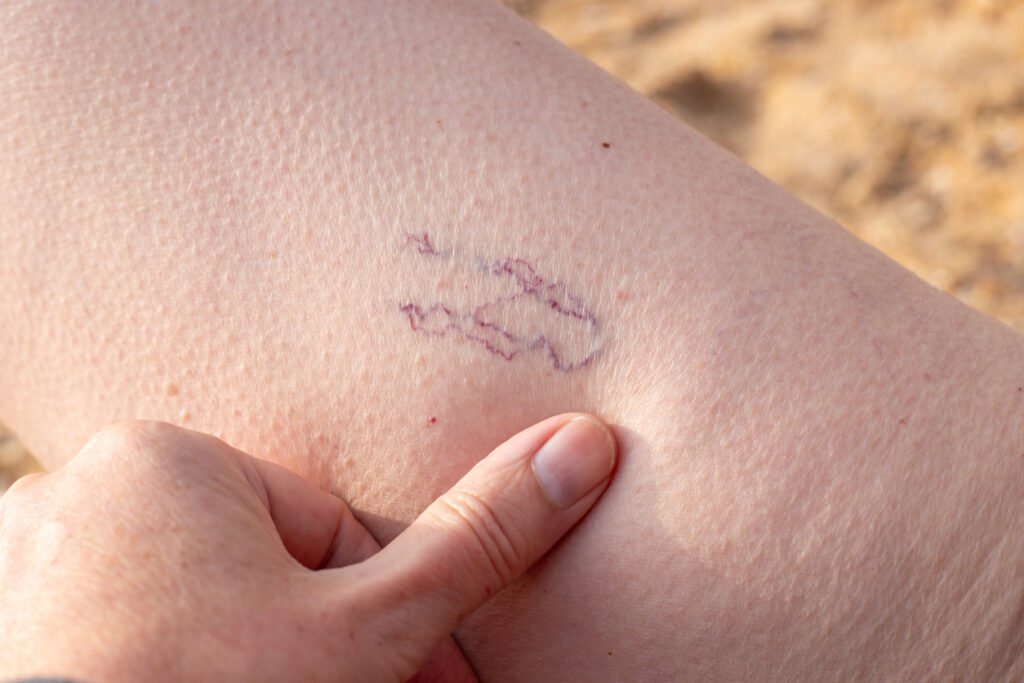
Modern options are minimally invasive treatments like medical adhesive and radiofrequency ablation to close off the main surface veins that cause the issues. Sclerotherapy is used to treat small clusters of spider veins that often become more noticeable once the main vein has been treated. Skin laser treatment takes care of the even smaller veins.
In some cases, our vascular specialists may recommend surgery but when this is the case, the veins are no longer stripped, contrary to popular belief. Even the surgery is minimally invasive and typically performed under local anaesthetic.
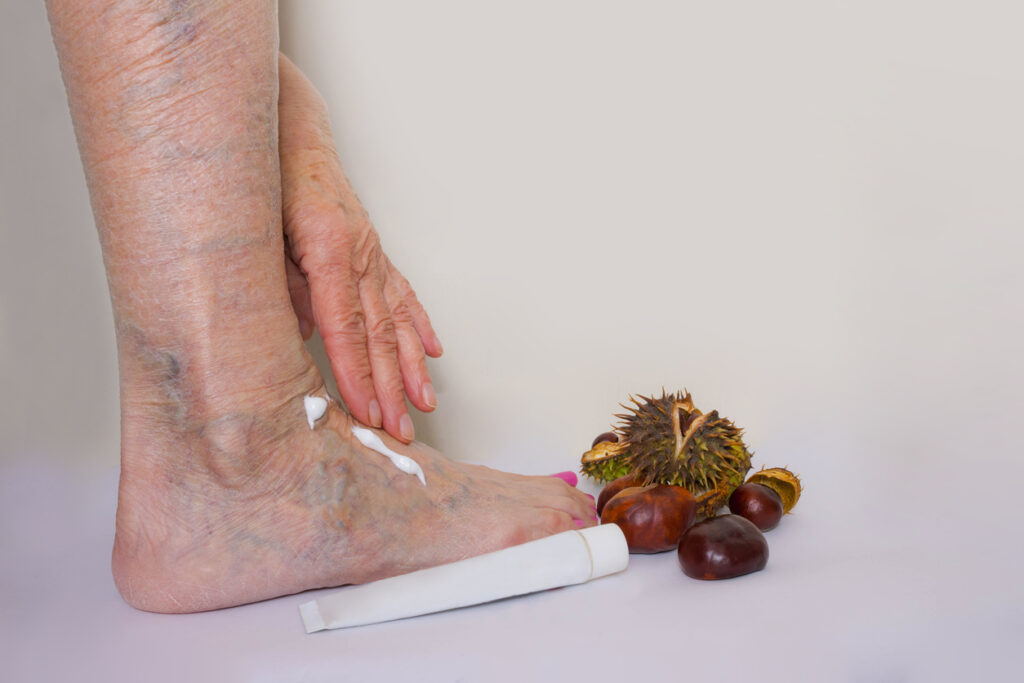
Myth: Creams can make varicose veins disappear
Creams may help soothe dry or itchy skin caused by venous eczema but they will not remove varicose veins. Massaging swollen legs may offer some short-term relief from swelling.
Myth: Exercise makes them worse
If anything exercise will help improve symptoms of varicose veins. Activities like walking and building calf strength help support healthy circulation, which can ease swelling, heavy and achy legs. The varicose veins will still be there, though.
Myth: People only treat varicose veins for cosmetic reasons
It’s true that appearance can be one reason people check in with us, as varicose veins can be unsightly. But varicose veins are a medical issue. Left untreated, they may become more uncomfortable, bulge more and ache with symptoms increasing over time.
Myth: Only older people get them
Varicose veins often run in families or whānau, so if your parents or grandparents have them, you may be more likely to develop them too. They can affect all ages, not just later in life.
If your varicose veins are bothering you, your legs feel heavy or your ankles swell by the end of the day, book a consultation with one of our nurses. We’ll talk you through the options.