

The short answer is in many cases, with regular ultrasound monitoring, an abdominal aortic aneurysm (AAA) is safe to monitor. It’s when the aneurysm grows too big, it will be time to discuss having treatment.
What is an aortic aneurysm?
An aneurysm is a bulge in the wall of a blood vessel. A AAA happens when part of the main artery in the abdomen, the aorta, grows larger than normal. The artery wall becomes weakened and may eventually rupture if it grows large enough. When this happens it can be life-threatening as it will cause internal bleeding.
Aneurysms may also develop in other areas such as the brain, the aorta in the chest, the arteries feeding the abdominal organs and the leg arteries. Some people may be aware of their aneurysms with discomfort or a pulsating feeling, especially when lying down at night.
Many patients do not know they have an aneurysm until they see their GP for a regular check up or have a scan for another reason.
How we monitor an aneurysm
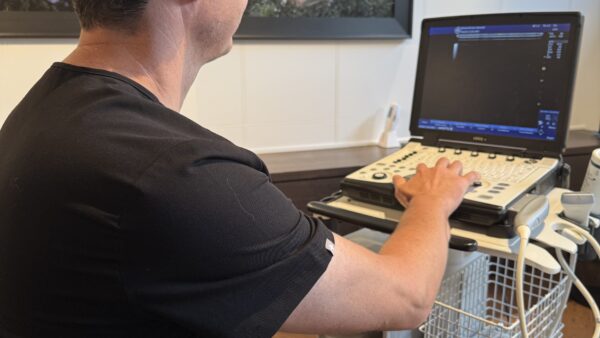
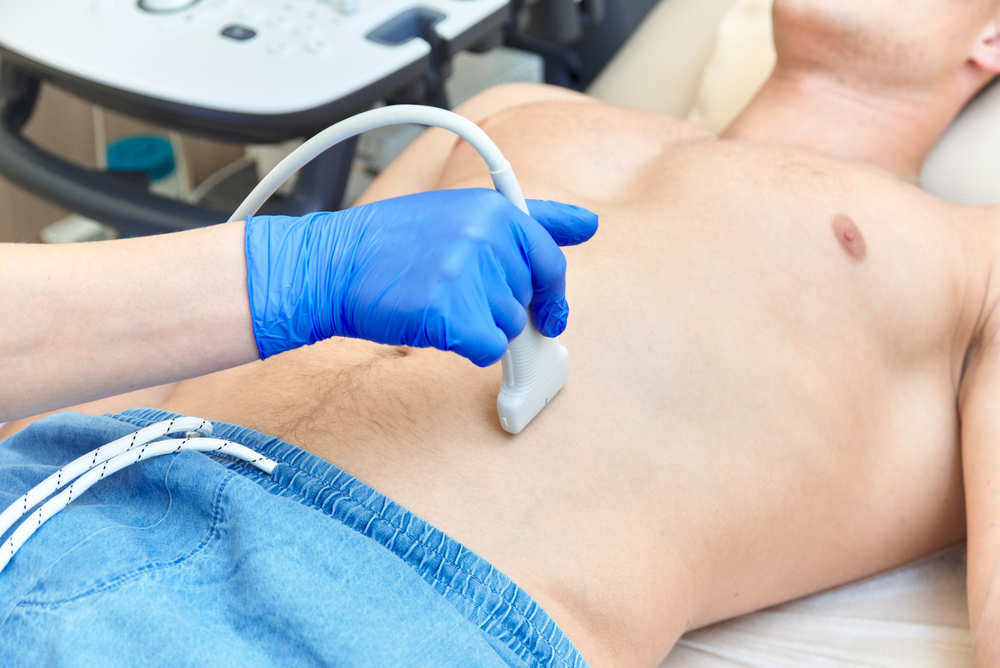
We monitor patients with aneurysms via regular ultrasound scans offered in our clinics. We will measure the size and growth, if any, on a regular basis. Our vascular surgeon will then recommend next steps.
Generally, for AAAs, if the aneurysm has grown to over 5cm in women and 5.5 cm in men, it’s time to discuss treatment because the chances of rupture become greater above these sizes. In general, AAAs usually grow slowly.
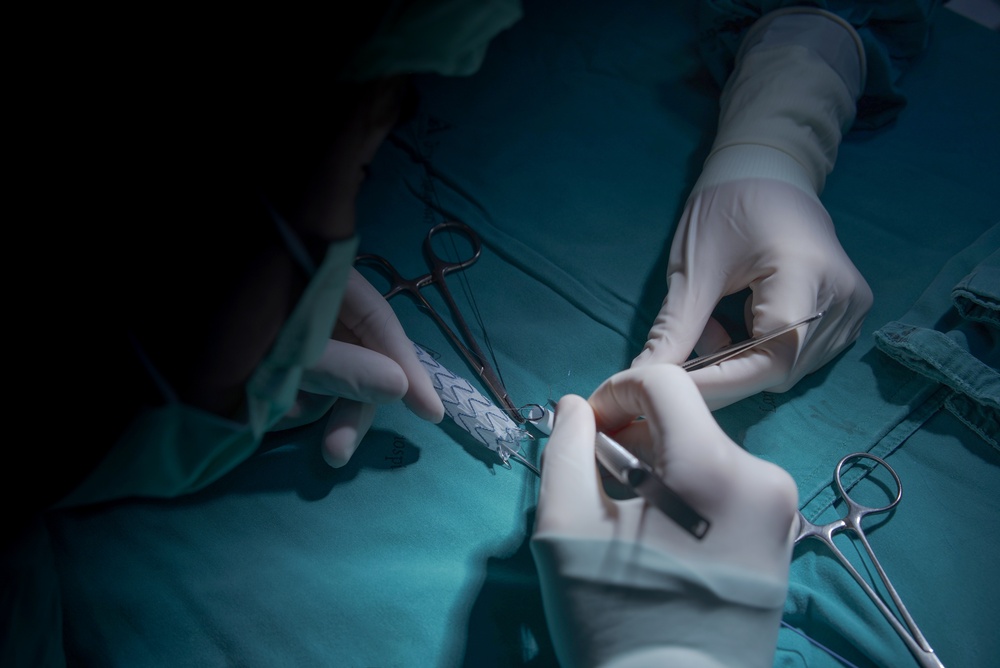
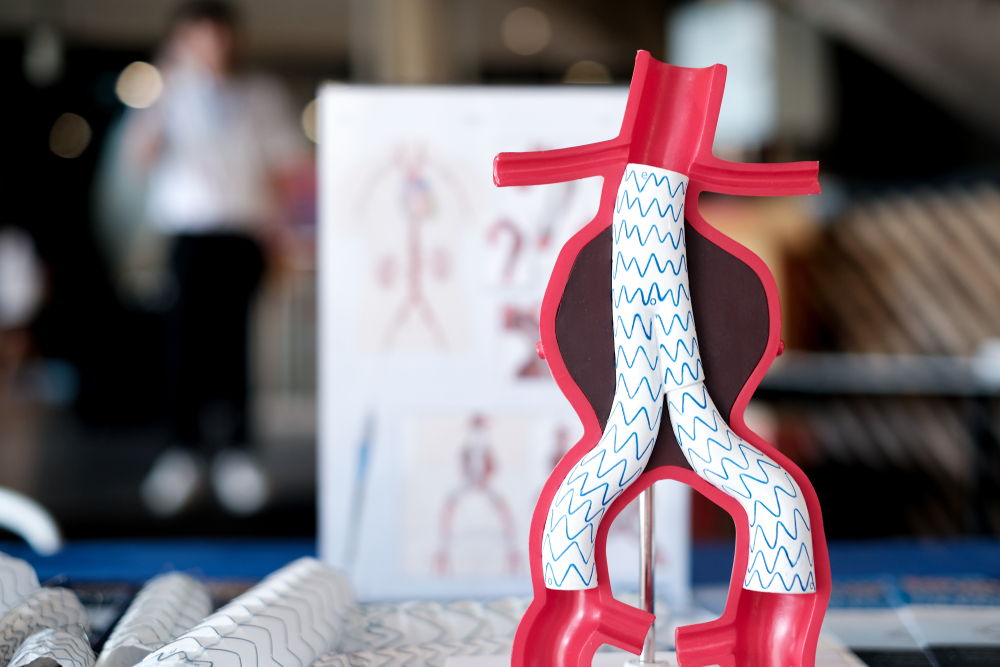
Most often these days, treatment involves inserting a stent into the AAA to reinforce the weakened artery walls. This is called endovascular aortic aneurysm repair (EVAR). It is minimally invasive with quicker recovery than with surgical repair.
Less common, and more likely for younger patients, open surgery may be used to remove the weakened part of the blood vessel. This is a much bigger surgical procedure.
Who is most at risk of developing an aneurysm?
It’s not possible to prevent the development of AAAs but maintaining a healthy lifestyle is an important step. The main groups at risk are:
- Having a family history of aneurysms
- Smokers.
For more information go to: Pulse Vascular Health via REV specialists.