

Pelvic pain in women is common and often caused by conditions such as endometriosis, fibroids, period pain, various conditions affecting the bladder, colon, rectum and varicose veins within the pelvis (pelvic varicose veins). Sometimes the exact cause is hard to diagnose but that doesn’t make it any easier for those who suffer from it. Hard to diagnose because the pelvic symptoms are often common to a number of conditions.
Which is why we have a team dedicated to helping women access treatment when varicose veins in the pelvic region are diagnosed and there is no other identified cause for the pain.
Questions we will ask about your pelvic pain
We do need to ask a lot of questions before an ultrasound scan, which can determine if varicose veins are present. Have other conditions been ruled out, like endometriosis, ovarian cysts or fibroids? Where is the pain mostly located? Is it in the lower back, hips or groin? Do others in your whanau have varicose veins? Have you noticed varicose veins in other places on your body, eg, the tops of your legs or around your groin? Do you have a heavy dull ache that’s worse after sex, later in the day or after you’ve been standing for a time?
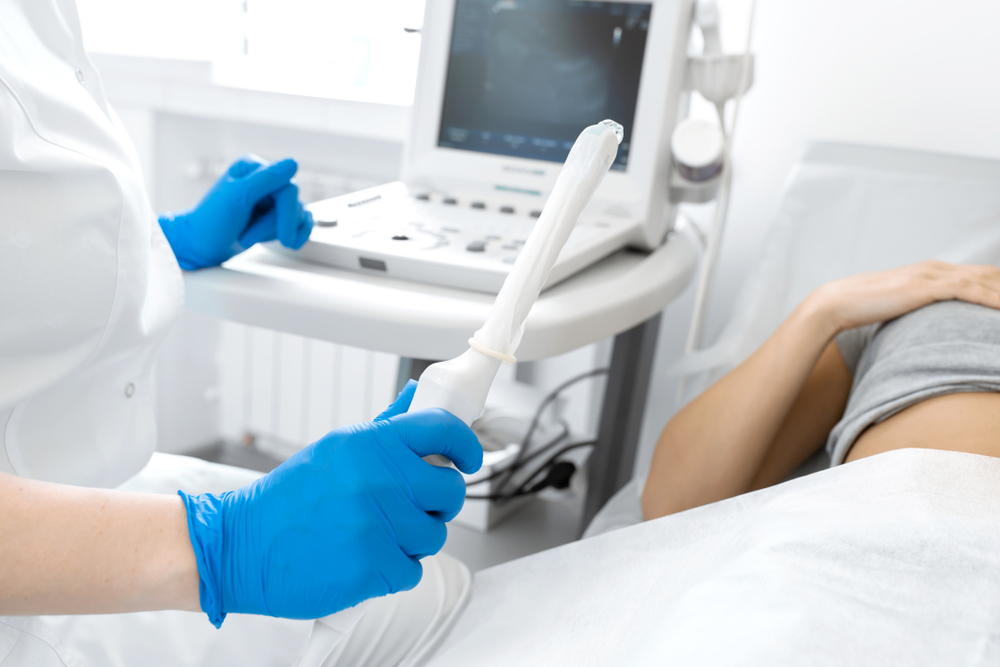
Once we’ve diagnosed pelvic varicose veins, we can explain options for treatment. And how to access health insurance, if you have this. Some pain relief medication or hormone treatment may help manage the pain but will not get rid of the cause.
Treatment for pelvic varicose veins is minimally invasive
We currently offer treatment in hospitals in Auckland and Wellington. Treatment is minimally invasive, done under local anaesthetic. Medical adhesive delivered via a thin tube (catheter) seals the varicose veins shut. Usually the procedure is ‘day-stay’ meaning you stay for the whole day after you’ve had treatment. Discharge is at the end of that same day. Most people return to normal activities in a couple of days.
The results can be life-changing though. Many women talk about going from being in significant, often debilitating, pain to being almost pain free. When they have recovered from the procedure. Even though they will experience cramping and some discomfort over the next few months, as the veins settle, it’s clearly nothing compared to what they’ve been living with. Comfort steadily improves over the coming weeks and months.