
Good health matters whenever you’re having medical treatment — whether you’re coming to see us or seeing another health professional. Here, we explain why everyday health habits make a difference and share practical steps that can improve treatment outcomes and help you feel better overall.
Key factors influence most treatment outcomes
Small, steady changes can make a real difference:
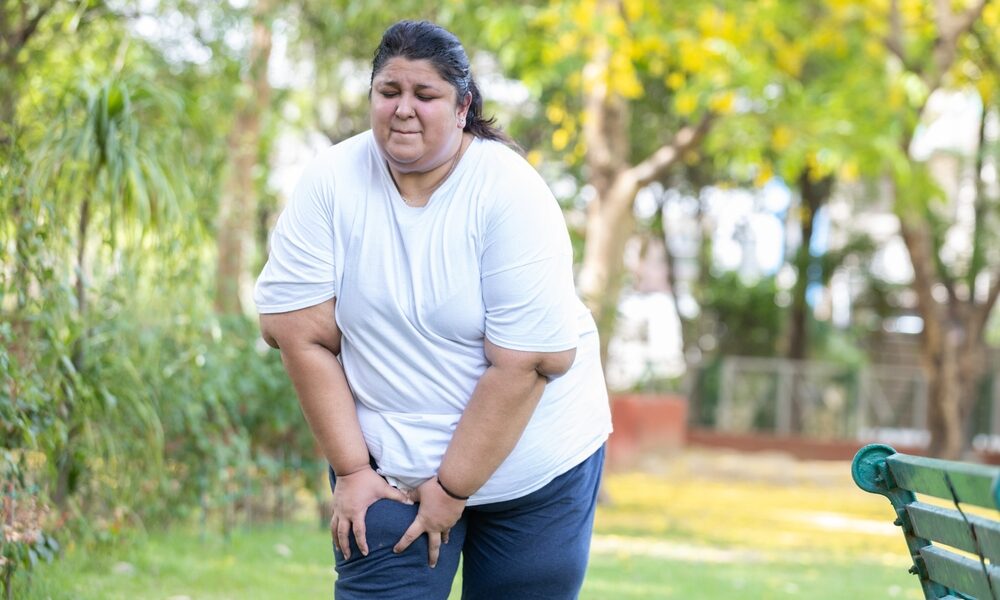
Weight – carrying extra weight can affect any treatment you have, from varicose vein treatment to hip or knee replacements. Extra weight puts more strain on your organs, limbs, back and joints. And plays a part in fertility outcomes.
Solution: reduce your calorie intake and consider working with a personal coach if you can. If your BMI is over 25, ask your GP or another allied health professional about your options, including weight-loss medication.
Nutrition and exercise for wellbeing and weight control
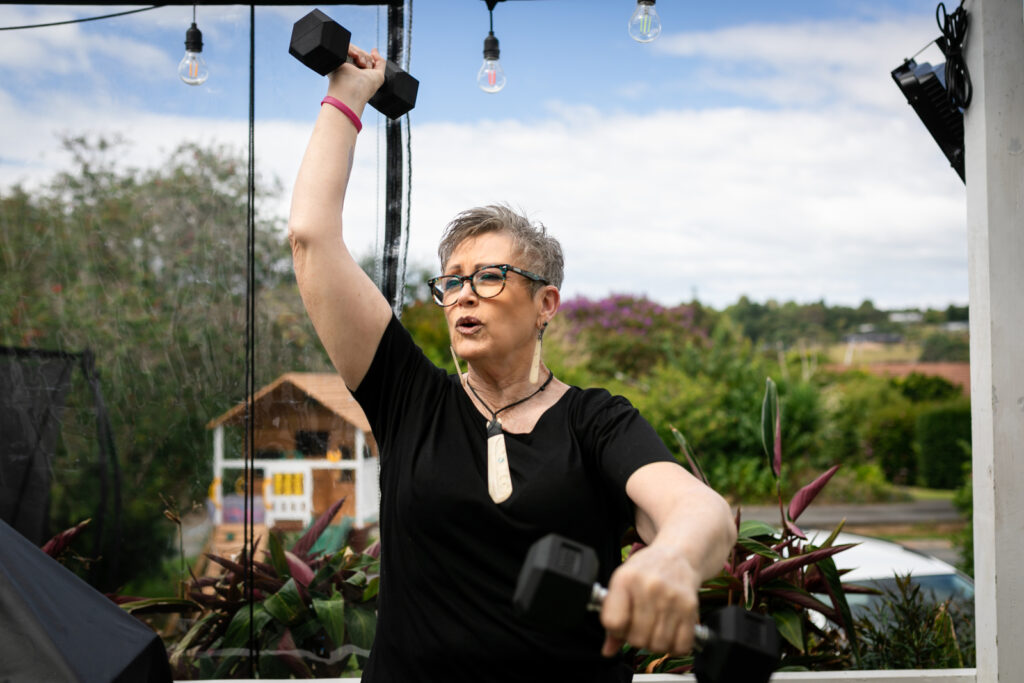
Muscle mass – keeping enough muscle helps you stay strong and prepares your body to cope better with stress, illness or treatment.
Solution: add strength and conditioning exercises to your week. You don’t need a gym — a simple home programme with weights can work. Check your protein intake too. Lean protein helps build muscle, while too many carbohydrates can turn into sugar and add weight.
Nutritious eating – a balanced diet with plenty of vegetables, fruit, whole grains, lean protein, healthy fats and fewer processed foods can be simple and satisfying.
Solution: search for nutritious recipes and gradually add healthier swaps.
Exercise – aerobic exercise and strength training support heart health, mobility, mood and recovery from illness or treatment.
Solution: start slowly and build daily activity. Ignore trends and choose movement you enjoy, because you’re more likely to keep going. Walk, bike, run, swim, dance, stretch, do yoga, play with your children or grandchildren or join a gym.
Mental health – stress, anxiety, depression, sleep and social connection all affect physical health and treatment outcomes.
Solution: join a club, walk regularly in the fresh air, say yes to social invitations and set small goals for activity and connection with friends, colleagues or other parents if you have young children.
Smoking, too much alcohol, existing conditions impact treatment outcomes
Smoking/vaping – smoking or vaping increases your risk of serious disease, including cancers and lung disease.
Solution: enrol in a free quitting programme. If quitting feels difficult, vaping may be a short-term step down from smoking but it is still addictive and is not risk free.
Medication – some medications can affect appetite, energy levels or daily activity.
Solution: book an appointment with your GP or health practitioner. Ask whether your current treatment still suits you or whether another option may work better.
Existing conditions – diabetes, high blood pressure, heart disease, respiratory illness and autoimmune conditions all affect overall health.
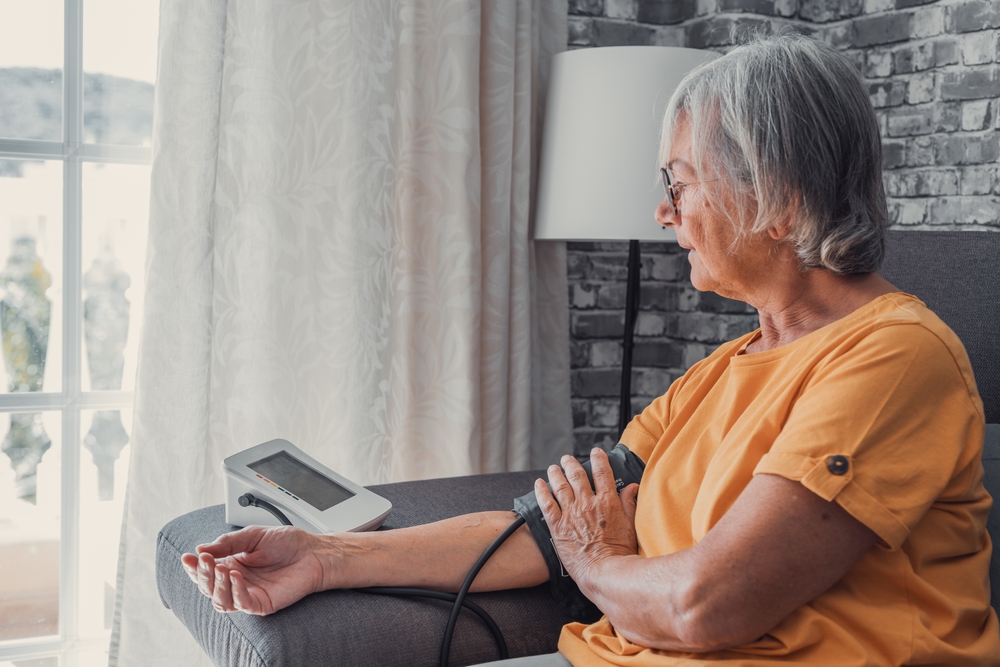
Solution: improving your general health and reducing excess weight can help you manage many existing conditions more effectively. Look for small changes you can make to your eating and activity.
Prevention – keep vaccinations up to date, complete screening tests if you meet the criteria and maintain regular dental care.
Solution: stay on top of appointments. Regular check ups help detect and prevent problems early.
Alcohol and substance use – alcohol and harmful drug use increase long-term health risks, strain vital organs and can reduce the benefits of treatment.

Solution: be honest about your intake. Measure how much you drink or use, then look for ways to cut back. Dry July might be a useful reset. There are organisations that offer practical tips for changing habits. Ask a partner, friend or colleague to join you. You might also replace alcohol with low- or zero-alcohol drinks. If people close to you are concerned, consider reaching out for professional help.