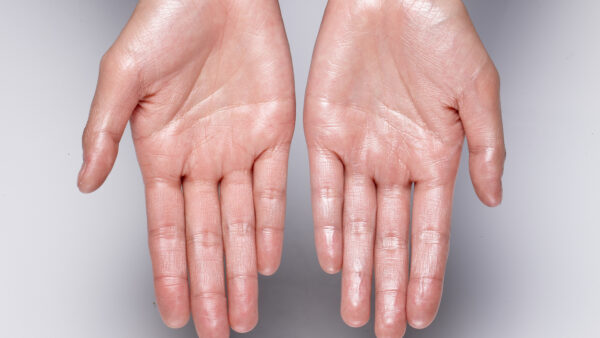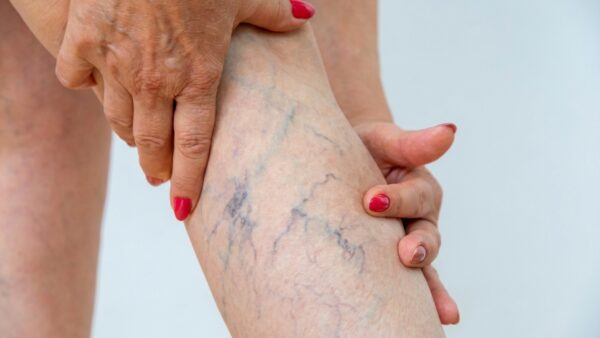

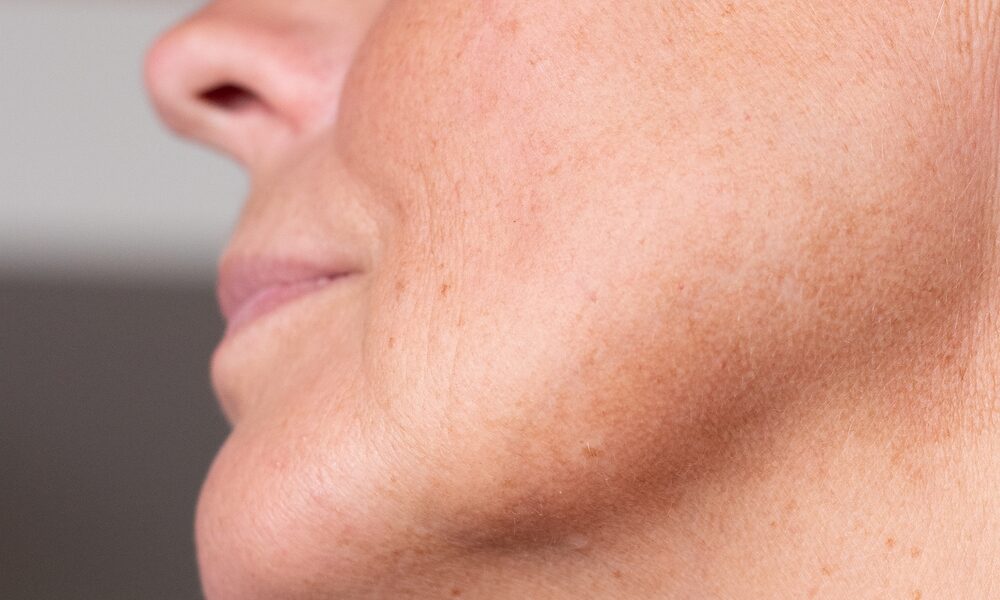
Intense Pulsed Light or IPL, is a non-invasive treatment option for many skin issues, including sunspots caused by sun damage.
How does IPL work?
With IPL a broad spectrum of light penetrates the skin. It targets melanin in the skin and blood vessels, helping to break them down. Then the body takes over. The natural healing process removes this now damaged pigment and blood vessels, leaving the skin smoother and clearer. After treatment you may notice the skin is a little darker and it may feel tighter. A bit like when you’ve been in the sun. Any light crusting will eventually slough off but the skin is not open, cut or wounded.
What are the best things about IPL treatment?
IPL can help reduce sun spots, age spots and brown freckles caused by sun exposure, as well as being an effective treatment for mild to moderate acne.
Overall, the skin’s texture and tone improve. There’s minimal down time or recovery after treatments. Your skin may look a little red afterwards but that’s all.
As well, IPL stimulates collagen production, which can help improve skin elasticity and help reduce fine lines and wrinkles.
What to expect during your IPL treatment for sun damage @ Pulse Aesthetics
Consultation: One of our nurses will assess your skin and determine first whether IPL is suitable for you. We perform IPL most often on the hands, face and neck but also other areas that have sun damage.
Preparation: Your skin will be cleansed. If you’re sensitive to heat, our nurse may recommend a cooling gel.
Treatment: The IPL wand is passed over the skin, delivering pulses of light. You might feel a slight stinging sensation, much like if you ping a rubberband on your skin.
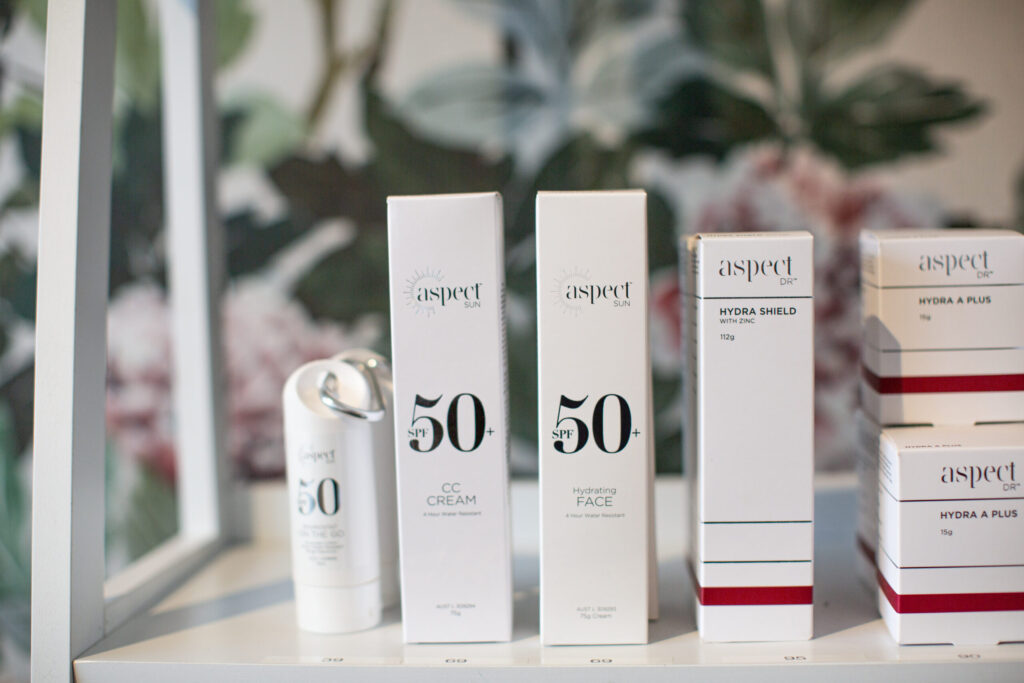
After treatment: The area treated may be a little red and possibly have some mild swelling, again, it’s similar to sunburn. This usually reduces within a few hours to days. Our nurse will apply Aspect sunscreen. It’s important to keep applying sunscreen to the treated area over the next few days.
Number of sessions needed to treat sun damage
Usually, we recommend between two and four sessions, spaced a few weeks apart. We will also recommend using sunscreen and wearing protective clothing to help prevent further sun damage in the long term.
So, who is IPL not for?
We don’t treat pregnant women with IPL. For some people who have dark skin it may not be advisable to have IPL treatment because there is a higher risk of pigmentation changes in their skin. We also don’t treat people who are on medications that increase sensitivity to light.
If you’re considering IPL, as with most things, it pays to go to a clinic with qualified practitioners. Nurses at Pulse Aesthetics are registered nurses and are experienced in advising on skin conditions. Many skin specialists and dermatologists refer their patients to us. Plus we have the benefit of a vascular surgeon on our team, who will advise on a range of skin conditions, including those that may require minor surgery like skin cancers and moles.