
A vascular surgeon is a surgical specialist who diagnoses and treats diseases of the arteries and veins, including varicose veins, focusing on improving both vein and artery health. They also treat conditions that cause leg swelling, such as lymphoedema, deep vein thrombosis (DVT, blood clots) and leg ulcers.
How vascular surgeons use minimally invasive techniques
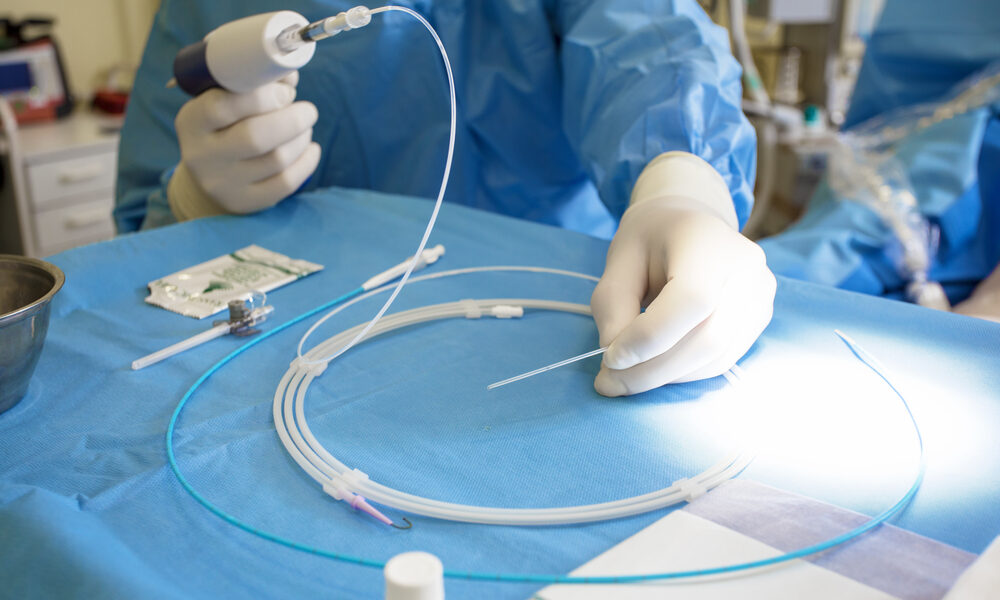
Vascular surgeons perform both surgical procedures and minimally invasive procedures. Examples of surgical procedures are aneurysm repairs, carotid artery operations and bypasses. Minimally invasive techniques used by the vascular surgeon include stents and varicose vein treatments. You may have heard the word ‘endovascular’, these are minimally invasive procedures performed from within the arteries.
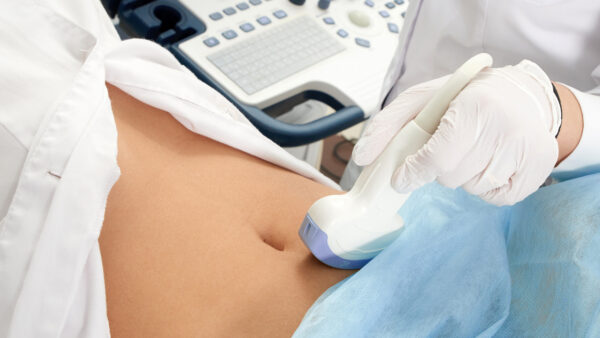
Ultrasound is big part of guiding the vascular surgeon’s work, providing a detailed map of the arteries and veins during procedures. Used extensively for diagnosis and also for patients who need regular surveillance. For example, to monitor a patient’s aneurysm.
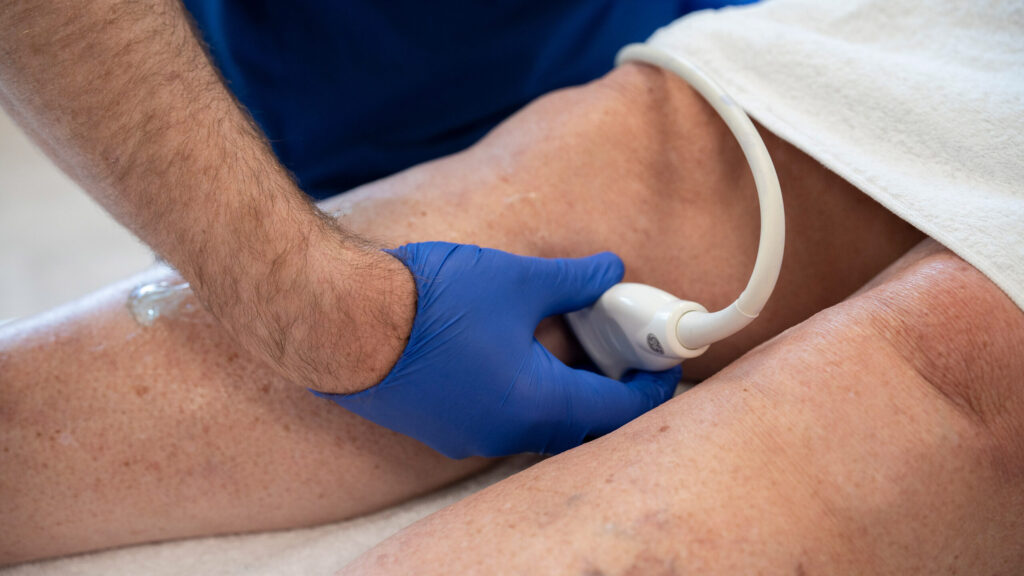
Varicose veins treatments are usually minimally invasive now
These days, vascular surgeons use ultrasound-guided methods to treat most varicose veins. Occasionally, a small operation might be needed for a better long-term outcome. But the old ‘vein stripping’ surgery is a thing of the past. At Pulse Veins our experts use the latest approaches to gently close down varicose veins and give the patient the most durable result. Most often, we’ll use a medical adhesive to close the varicose vein. It’s a quick and relatively painless treatment, with little down time. You can walk-in, have your treatment, and walk-out after. And most people will be back to their normal activities within the next few days.
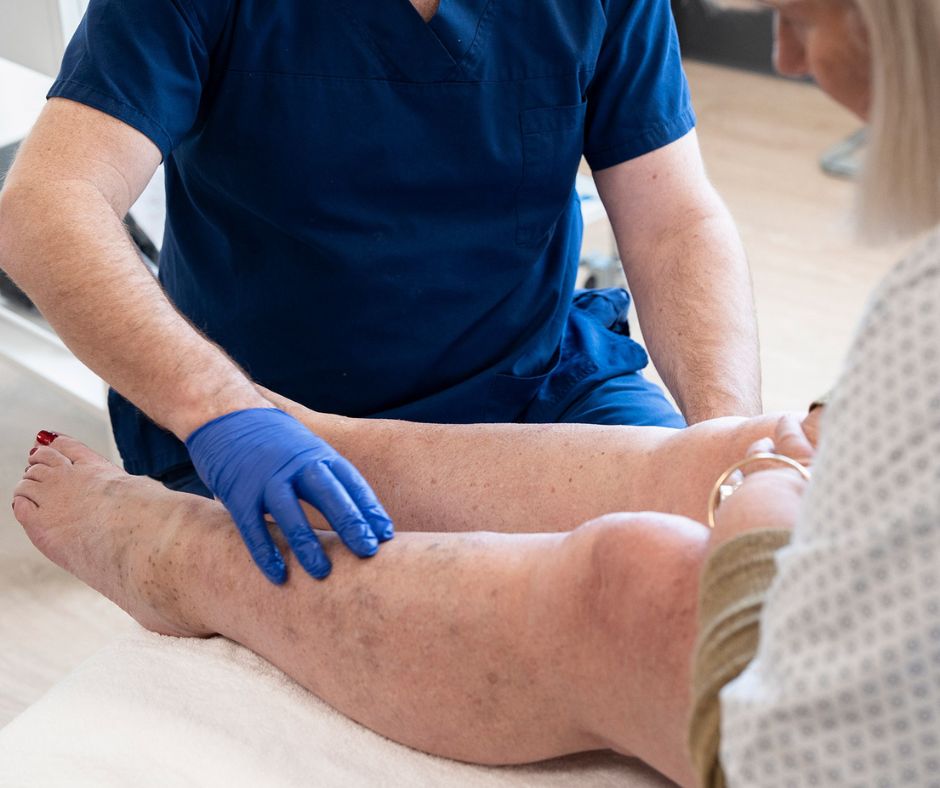
Precise procedures performed by the vascular surgeon
Vascular surgeons also perform delicate and precise surgery on arteries. Cleaning out narrowed carotid and leg arteries, blocked arteries and repairing aneurysms are common examples.