
Want to keep things simple? Here’s what you need to know about DVTs, how to spot a DVT – and how to look after yourself.
Firstly, how do you know if you have a DVT?
What is a DVT?
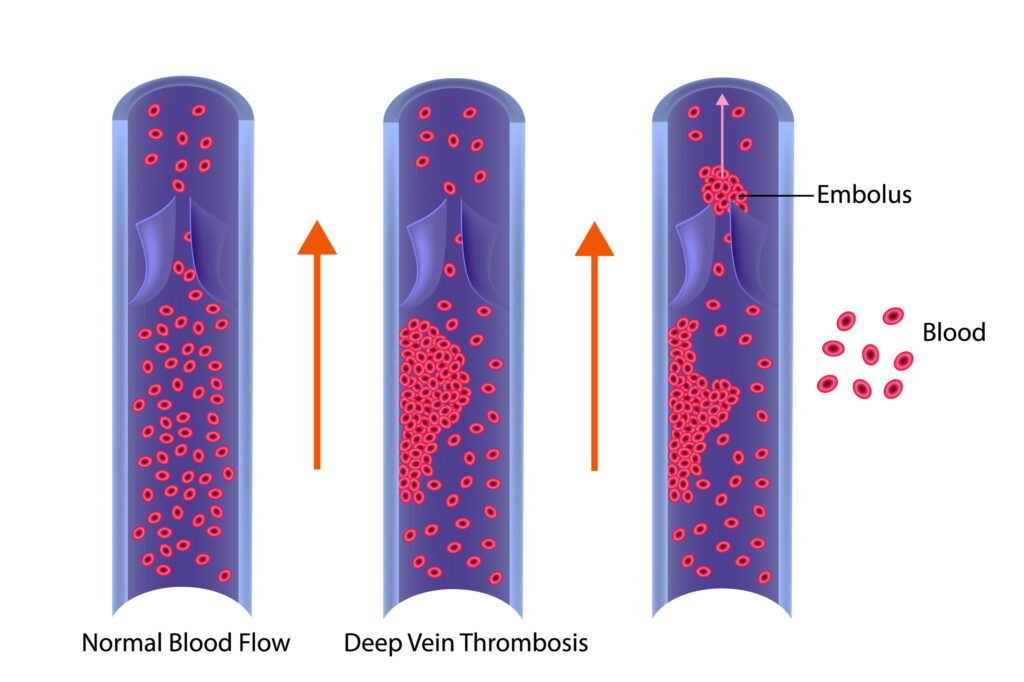
A DVT is basically a blood clot in a deep vein, usually somewhere in your leg. It tends to form when you haven’t moved much for a while – think long flights, car trips or even being in bed after an illness. Sometimes, obesity can play a part, too.
How to spot a DVT
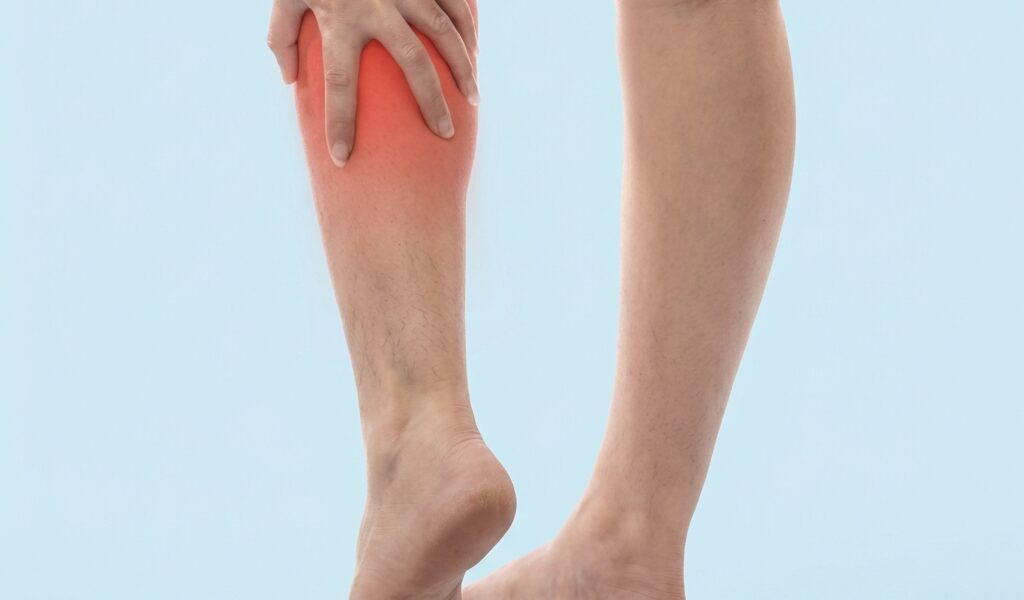
When stuck sitting or lying down for ages, watch out for swelling, soreness, redness, or tenderness — especially in your legs. One leg might look puffier than the other or feel warmer. If you notice a lump that’s getting bigger, that could be a blood clot.
Normal swelling often goes away once you start moving again. Reach out for help when it’s getting worse or you’re worried.
So, what if you spot a DVT?
If you spot a DVT, don’t wait. Contact us, your doctor or nurse practitioner as soon as you can. The real danger is if the clot breaks free and goes into your lungs.
The most worrying symptoms include:
- trouble breathing
- chest pain
- pain that keeps getting worse, even if you’ve been moving around or resting
- fever or chills
- the lump increasing in size.
Your health professional can tell pretty quickly if you’ve got a DVT based on your symptoms and what you tell them. Send us photos to speed things up. We might prescribe blood thinners – they stop the clot from growing and lower your risk of getting more clots. We also suggest wearing compression socks, they will help with swelling and help reduce complications.
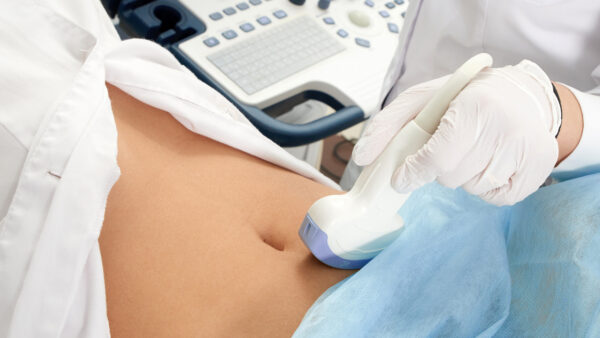
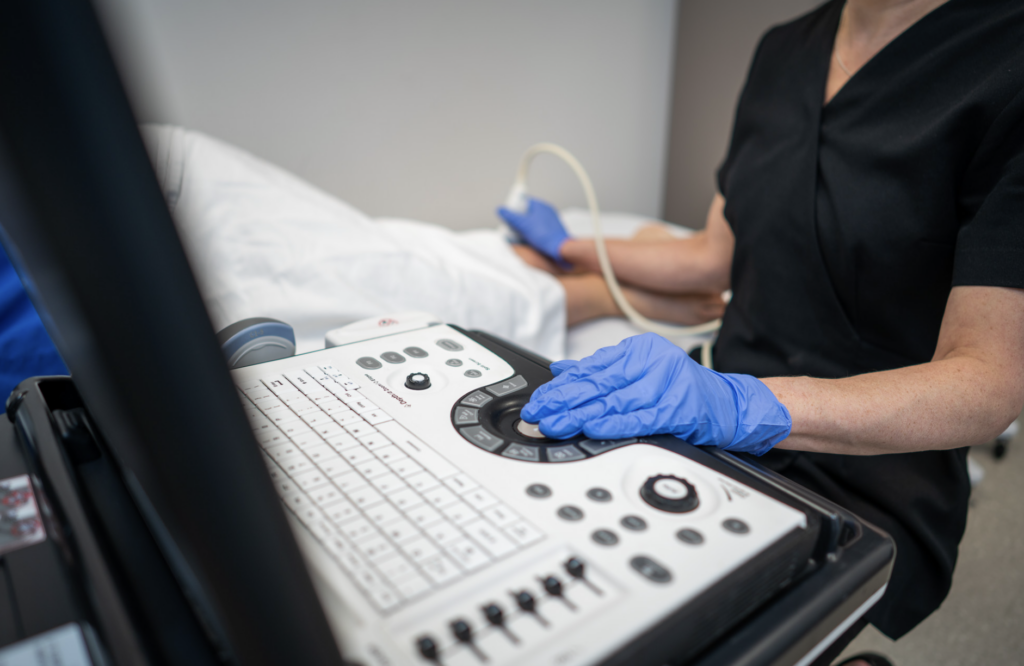
If your DVT is big and you have any of these serious symptoms, we’ll do an ultrasound scan to make sure. Sometimes, more treatment is needed, depending on your situation.
Obesity or damage in the vein can make DVTs more likely. Our vascular specialist can advise if your vein is damaged.
How to prevent a DVT?
Try to move around a bit, especially if you know you’ll be sitting or lying down for a long time. Get up and stretch or walk when you’re on a plane, take breaks during long car rides and do some simple exercises in bed after surgery. Drink plenty of water to keep your blood moving properly. If you’re flying, cut back on alcohol and coffee — they’ll dehydrate you.
Well-fitted compression socks help circulation
Compression socks are getting more popular, especially for travel or after an operation. They’re designed to keep your blood flowing and help prevent clots. Ask about a fitting with one of our specialist nurses. And if you’re not able to move much while you recover, these socks will keep the blood flowing.
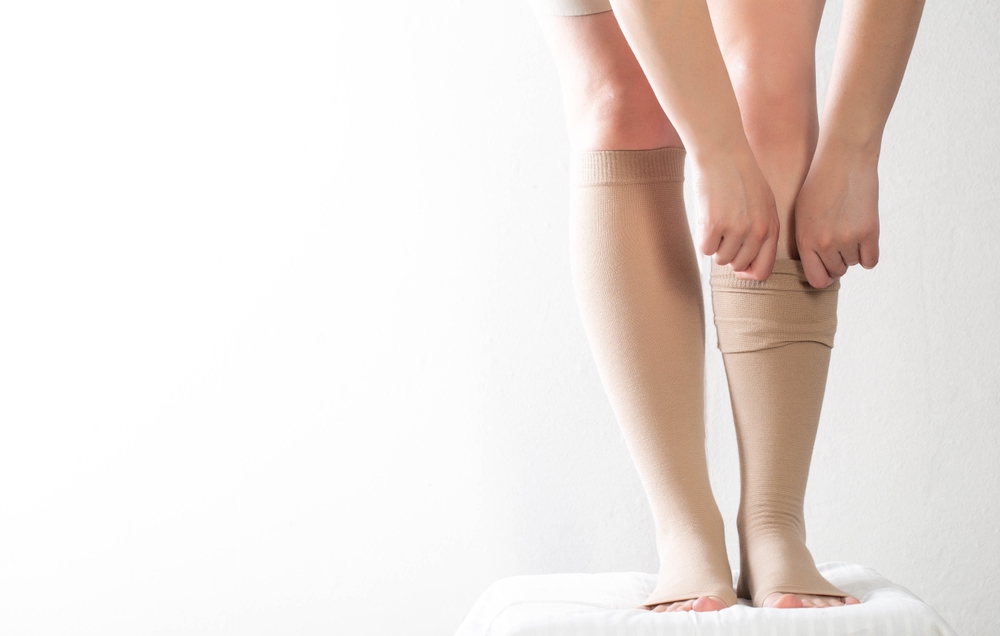
If you spend a lot of hours standing on hard surfaces at work — even if you’re moving around — you might still be at risk for DVT. Compression socks can help keep your blood circulating.
Know your risk. Stop smoking or vaping, keep your weight healthy (aim for a BMI under 25) and try to keep up regular exercise. It all helps.