

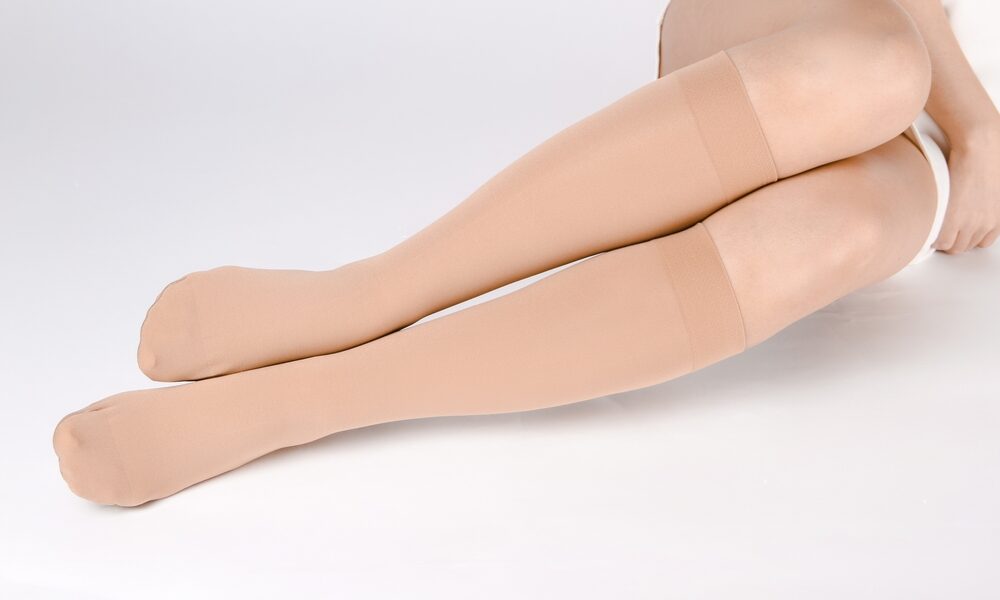
Medical-grade compression socks and stockings are effective in managing the symptoms of varicose veins but they are equally as effective in relieving symptoms of other conditions and for general everyday wear for some occupations.
Check out our range of medical-grade compression socks recommended by our vascular specialist team. Complete your measurements or book for a fitting.
Note: The fit of your compression socks is especially important, too small and they will restrict flow and be too hard to put on, too loose and they won’t work as well.
We recommend wearing medical-grade compression socks and stockings for the following:
Deep Vein Thrombosis (DVT)
Our specialist team recommends compression socks for people who are at risk of developing blood clots in the legs, particularly if they have had a blood clot before or if there is a higher risk of getting a blood clot. Conditions such as pregnancy, having had an operation, long distance travel, being overweight and having a sitting job, all increase risk.
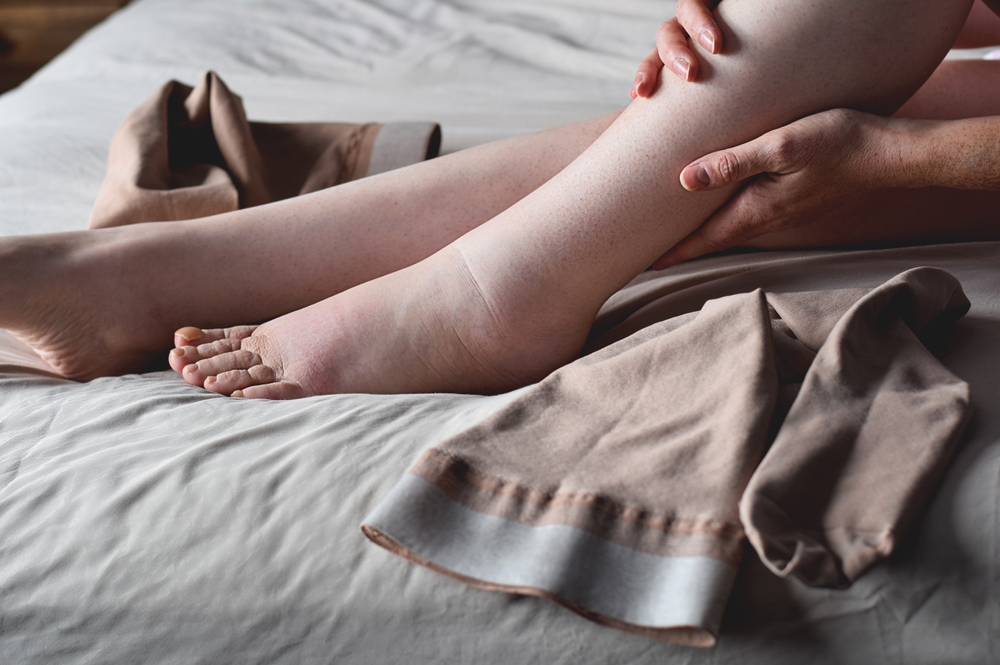
A blood clot and DVT are a serious medical condition. A DVT is when a blood clot forms in one of the deep veins, mostly in the legs. Symptoms include a swollen patch on the leg, redness or heat in the area, pain or tenderness in the calf or thigh.
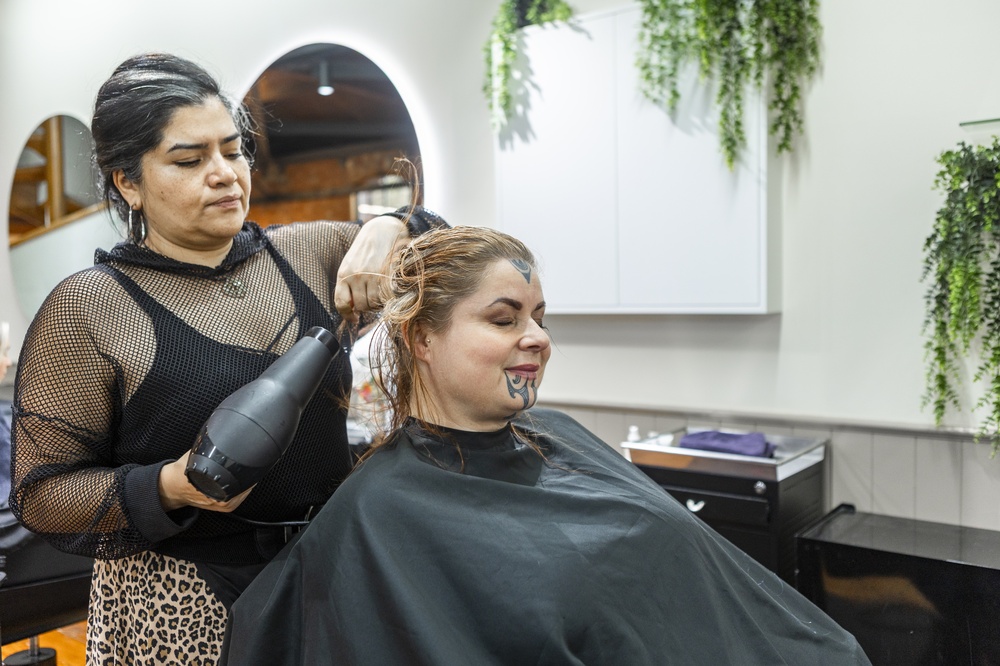
We recommend wearing compression socks when travelling long distance by plane or car and if you stand on your feet all day on hard surfaces. Especially good for nurses, retail staff and hairdressers. Wearing medical-grade compression socks after an operation or long periods of bed rest is also advised. These compression socks have graduated compression that encourages fluid and blood to keep flowing.
Chronic Venous Insufficiency
People who have chronic venous insufficiency, a condition where the veins cannot adequately return blood from the legs to the heart, can benefit from wearing compression socks. They help reduce swelling, discomfort and the risk of complications, such as skin ulcers. Chronic venous insufficiency may present as varicose veins and leg swelling. When diagnosed with chronic venous insufficiency we recommend regular monitoring by our specialist team.
Any leg swelling
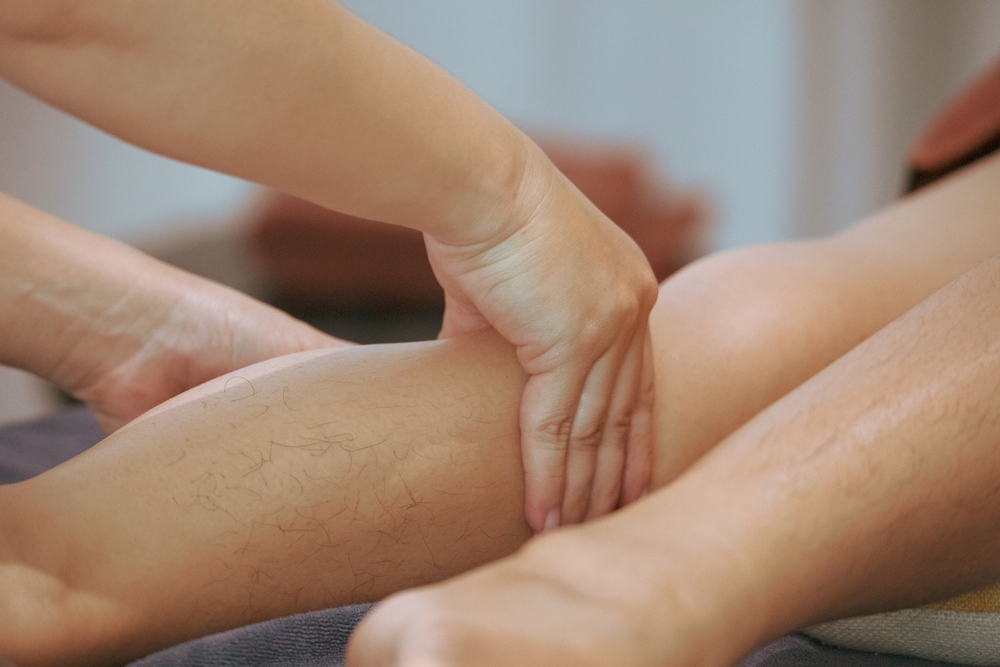
Those with oedema or lymphoedema, where fluid gathers in the legs, ankles, feet or arms, find relief from wearing compression socks. Compression socks help to keep blood flowing and for fluid to move up and out of the legs. Elevating the legs, especially at the end of the day, is also beneficial. Many of our patients find relief from therapeutic lymphatic massage, where fluid is effectively ‘drained’ using the lympthatic system. This helps prevent fluid from building up, stagnating and causing swelling. Often beneficial for cancer patients.
Relief during pregnancy
Many women develop swelling and discomfort in the legs, especially in their third trimester. Wearing medical-grade compression socks can help relieve aching, tired and swelling legs due to the extra weight and fluid. Pregnant women may struggle to get the compression socks on and off. We recommend wearing gloves to reduce friction to help with this.
An ulcer, once it is healing
Our specialist team will advise when it is safe for you to wear compression socks if we are treating a leg ulcer. The compression stocks help to keep blood flowing once the ulcer is on its way to healing.
Other medical conditions when you’ll benefit from wearing medical-grade compression socks or stockings
Compression socks may also be used in managing post-thrombotic syndrome and other circulatory conditions.
Buy your medical-grade compression socks in our online shop.
Please note: the fit is important, our team can recommend the best fit for you or you can book a fitting with a nurse specialist.