
What causes a stroke?
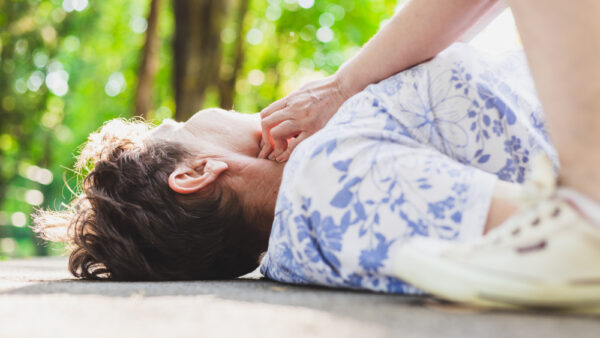
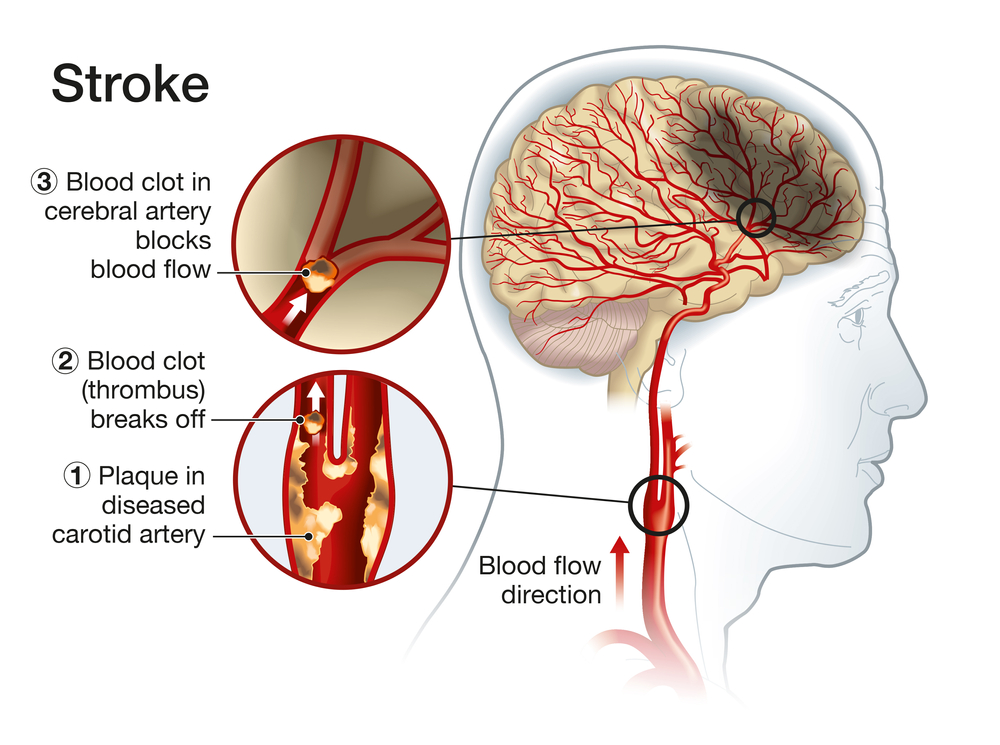
A stroke occurs when blood flow to part of the brain is interrupted or reduced, preventing the brain from getting oxygen and nutrients. A stroke is a medical emergency and more and more the public are becoming aware of the most common symptoms. A patient will not always present with each or even any symptom but fast action is critical to help minimise brain damage. A stroke will often come on suddenly with:
- numbness or weakness in the face, arm or leg, especially on one side of the body, often the left side but not always
- confusion, trouble speaking, finding the right word or difficulty understanding speech; slurred speech.
- trouble seeing in one or both eyes
- trouble walking, dizziness, issues with balance or a lack of coordination.
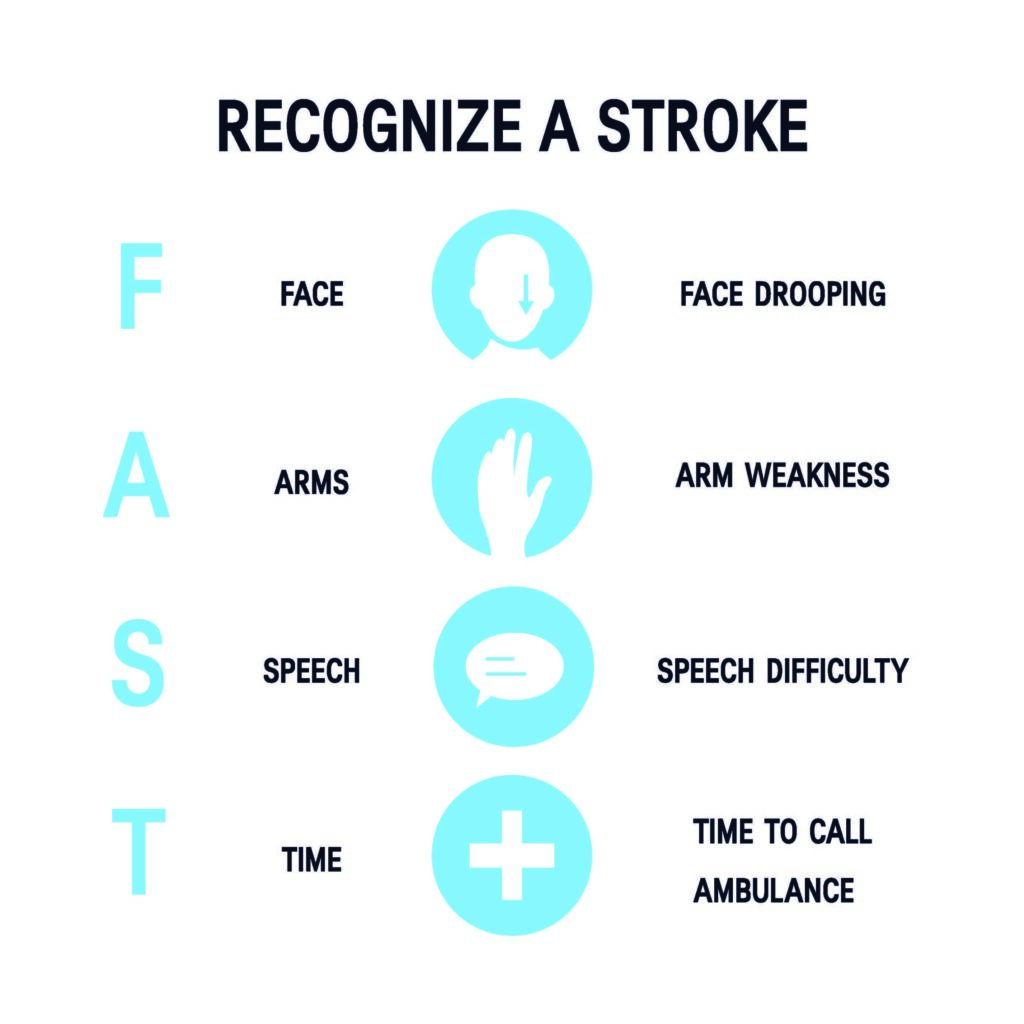
We learn to remember the acronym FAST:
- Face: Is one side of the face drooping?
- Arms: Is one arm weak or numb?
- Speech: Slurred or strange?
- Time: If you notice any of these signs, it’s time to call 111 immediately.
What specialists are involved in the care of stroke patients?
Specialists involved in the care of stroke patients, include neurologists, neuroradiologists, vascular surgeons cardiologists and neurosurgeons.
Neuroradiologists and neurosurgeons treat causes of stroke within the skull. This may be from brain bleeds, aneurysms or blood clots within the brain arteries. If a stroke if identified immediately, neuroradiologists may be able to stop bleeding or restore blood flow to the brain if the patient can be sent to hospital urgently.
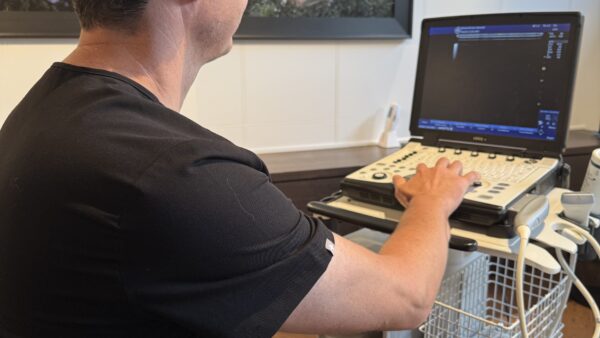
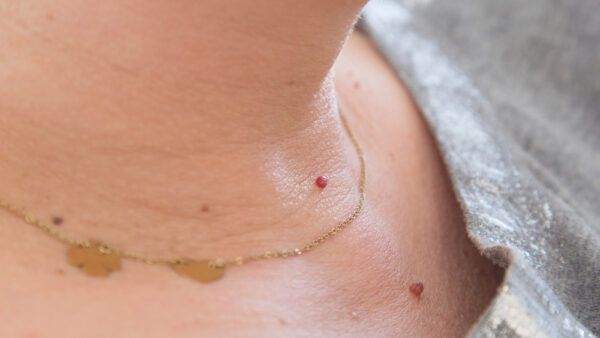
About 25% of strokes are caused by the carotid arteries in the neck. These may narrow or block off, causing blood clots and small bits of the artery lining to break off and travel to the brain arteries. Carotid endarterectomy may be needed to clear the carotid arteries to prevent further strokes. A vascular surgeon will perform this surgery.
Some stokes are the results of blood clots that form in the heart, often caused by irregular hearbeats eg, AF, atrial fibrillation. Heart attacks and other less common heart problems may cause strokes as well. Cardiologists deal with the heart aspects of these types of stroke.
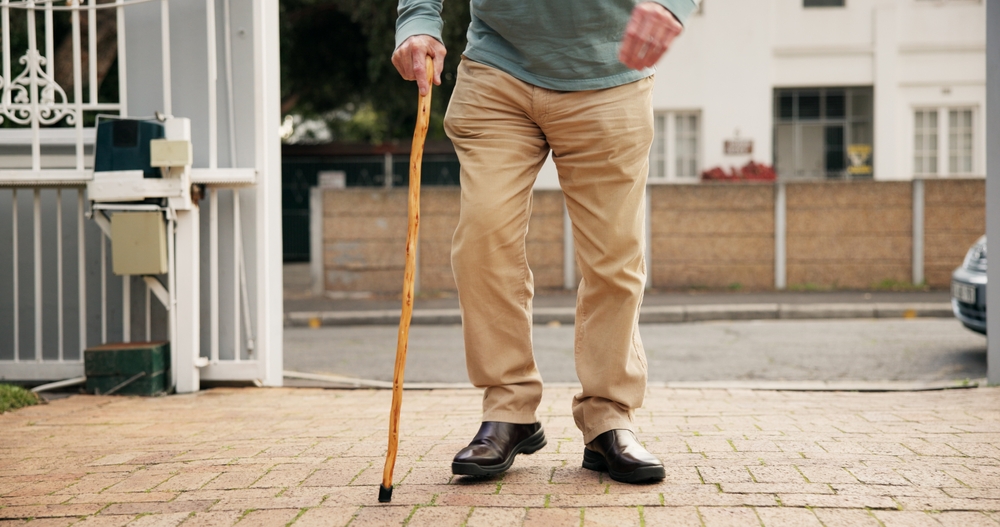
After stroke and once the patient is stable, physiotherapists, occupational therapists, speech-language therapists and others help the patient regain mobility, speech, use of limbs and the ability to do everyday tasks.
Is there anything you can do to prevent having a stroke?
Many assume a stroke is an old person’s condition. However, a stroke can occur in any person at any time. In New Zealand stroke victims include even the very young.
There are risk factors for stroke that we can control, which is why it’s important to regularly have your blood pressure and cholesterol checked. Along with heart issues, high cholesterol and high blood pressure also increase the risk of stroke. If you have atrial fibrillation (irregular heartbeat) it’s important to have it treated. This increases stroke risk. Medication and other treatments can help manage high blood pressure, high cholesterol, diabetes and heart issues.
Smoking increases your risk of stroke because it accelerates and exacerbates artery disease. Give up smoking if you are a smoker.
Eat a healthy diet with plenty of fruits, vegetables and lean proteins. Limit salt, saturated fats and alcohol. It’s okay to have a treat or a regular drink a couple of times a week, just don’t let any treats or alcohol become a habit.
Exercise regularly, most days of the week. Find something you enjoy as you will be more likely to do it. Having a dog is a good excuse to get out walking. If you have an injury, look for exercises that will work in with your injury. For example, cycling and swimming are non-weight bearing so there is less strain on the body and you can often cycle or swim when you can’t do other exercises.