

Welcome to WordPress. This is your first post. Edit or delete it, then start writing!
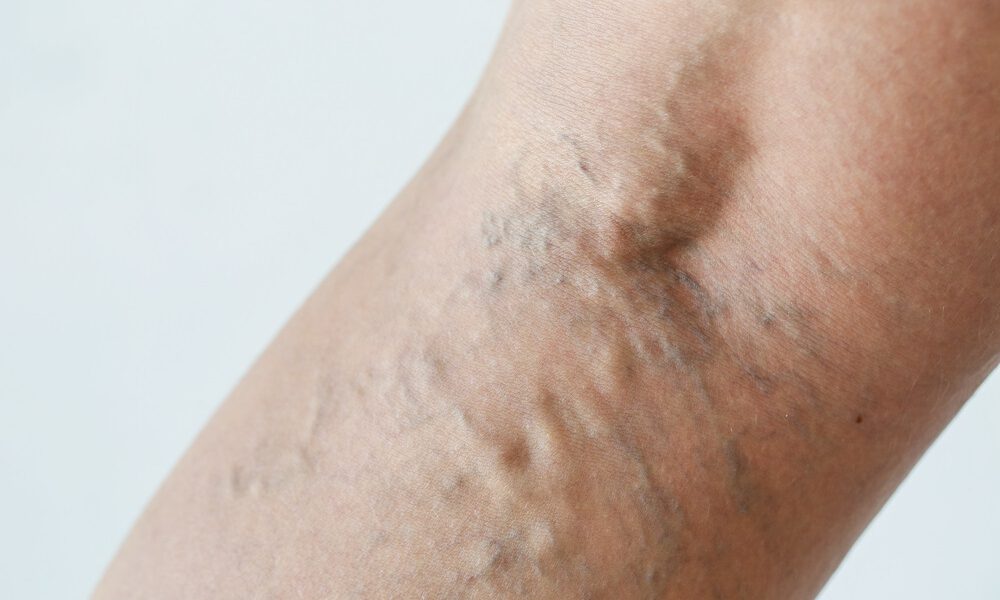
Varicose veins are a common condition that affects many people, particularly as they age. While often seen as a cosmetic concern, they can also be a sign of underlying vein issues that may require medical attention.
Understanding what causes varicose veins and recognising early symptoms can help you take the right steps toward effective treatment and long-term vascular health.
What Are Varicose Veins?
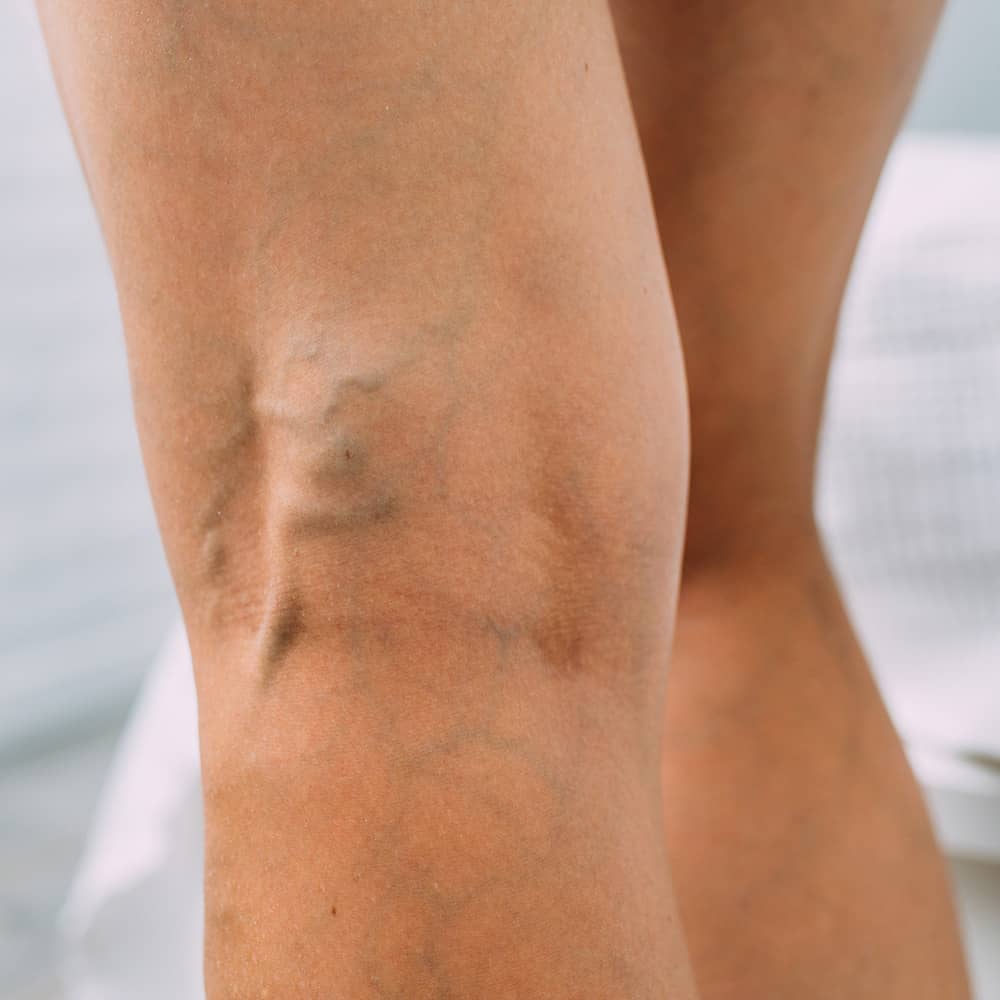
Varicose veins are enlarged, twisted veins that most commonly appear in the legs. They develop when the valves inside the veins weaken or stop working properly, causing blood to pool rather than flow efficiently back toward the heart.
This increased pressure leads to veins becoming swollen and visible beneath the skin, often appearing blue or dark purple.
Common Causes of Varicose Veins
Several factors can contribute to the development of varicose veins, including:
- Genetics and family history
- Prolonged standing or sitting
- Pregnancy
- Hormonal changes
- Age-related wear and tear on vein valves
- Excess weight placing pressure on the veins
While varicose veins can affect anyone, they are more common in women and individuals with a family history of vein conditions.
Symptoms to Look Out For
In addition to visible veins, symptoms may include:
- Aching or heavy legs
- Swelling in the lower legs or ankles
- Burning or throbbing sensations
- Muscle cramping, especially at night
- Dry, itchy, or irritated skin around the veins
Symptoms can vary from mild discomfort to more persistent pain, particularly after long periods of standing.
When Should You Seek Treatment?
While some varicose veins may not require immediate treatment, it is important to seek professional advice if you experience ongoing discomfort, swelling, or changes in the skin.
Early assessment allows for a wider range of treatment options and helps prevent complications such as skin damage or ulcers.
Treatment Options
Modern treatments for varicose veins are minimally invasive and highly effective. Depending on your condition, options may include:
- Compression therapy
- Ultrasound-guided sclerotherapy
- Endovenous laser treatment (EVLT)
- Lifestyle adjustments to improve circulation
A tailored treatment plan ensures the best outcome for both symptom relief and long-term vein health.
Take the First Step Toward Healthier Legs
If you are experiencing symptoms of varicose veins or have concerns about your vascular health, our team at Pulse Health is here to help.
Early intervention can make a significant difference in both comfort and long-term outcomes.