

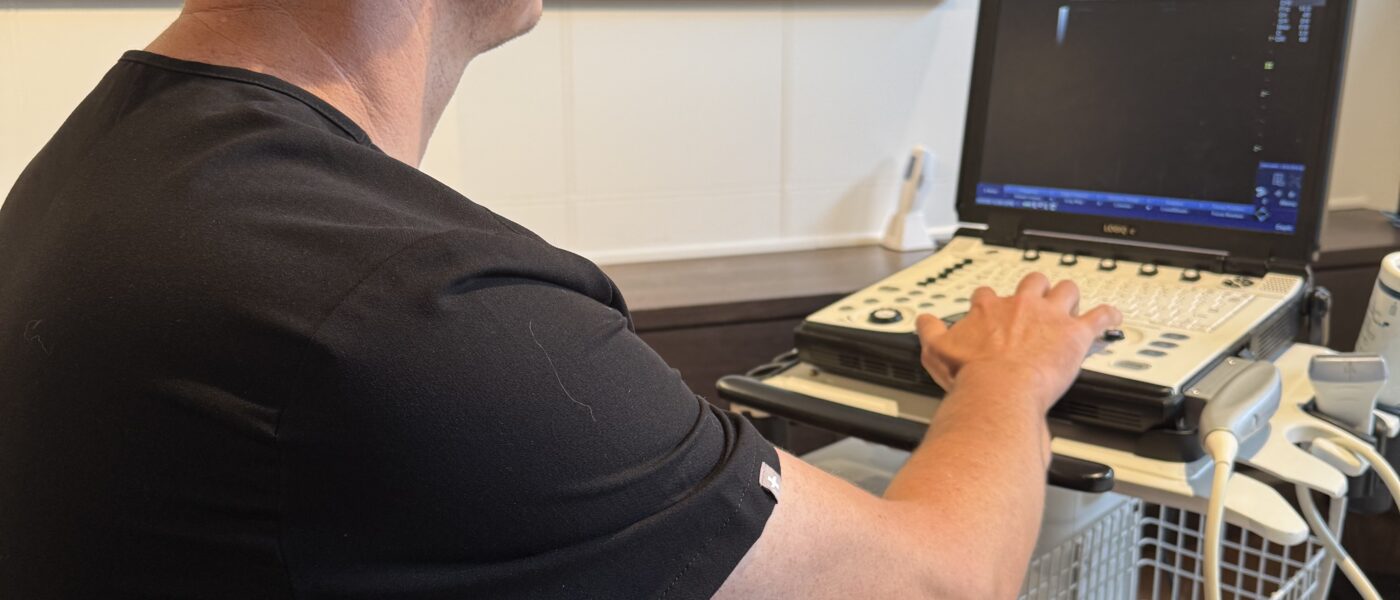
An interventional radiologist is a specialist radiologist; one who has specialised in procedures that require X-ray or ultrasound guidance. They usually use medical imaging techniques such as CT scans, angiography or ultrasound scan to treat patients and to interpret their findings. Examples of the range of procedures performed are CT and ultrasound-guided biopsies, blocking off the blood supply to tumours (embolisation) as well as artery and vein stents.
So, what is the difference between a radiologist and an interventional radiologist?
Radiologists – highly trained specialists who can interpret scans such as X-ray, CT, MRI and ultrasounds. They are trained to diagnose medical problems from these types of scans.
Interventional radiologists are radiologists who can also perform very precise invasive investigations. These include biopsies and treatments on patients, using X-ray and ultrasound guidance.
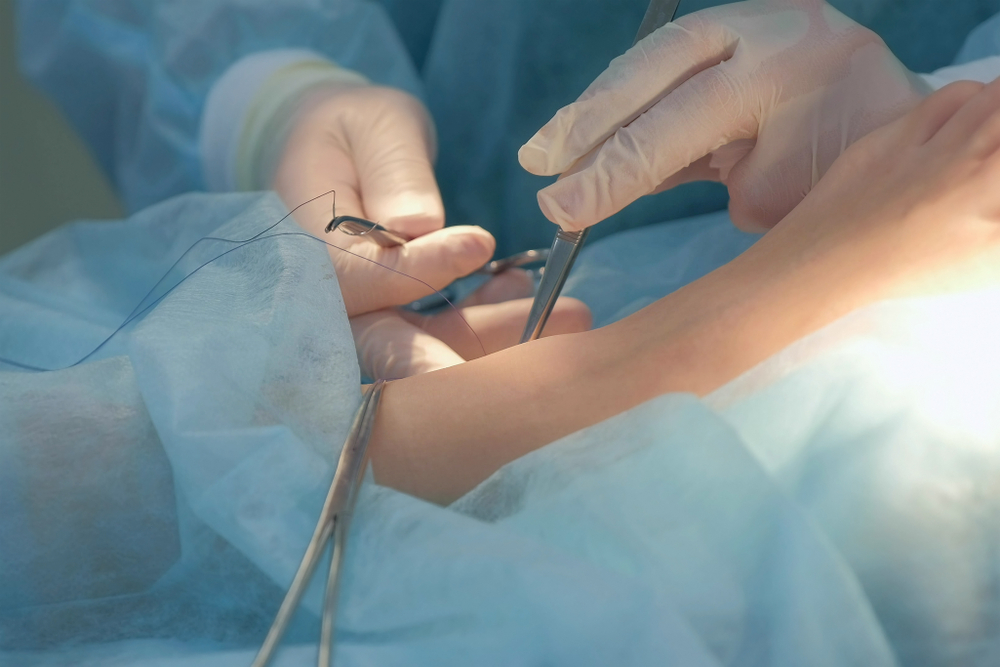
We are fortunate to have an interventional radiologist on our Pulse team, Anthony Harris, who is a vascular interventional radiologist.
When our interventional radiologist teams up with our vascular surgeon
At Pulse, our interventional radiologist performs treatments such as varicose vein treatments, pelvic varicose vein embolisation and botulinum toxin injections for vascular conditions. As well as other treatments, including for popliteal entrapment and thoracic outlet syndrome and angioplasty and stents. He will often team up with our vascular surgeon to perform collaborative procedures where there is a high degree of complexity.
Quick recoveries from less invasive procedures
Because the interventional radiologist’s procedures are less invasive for the patient, it means these are usually a quick process with fewer side effects. Hardly any down time means patients are back to normal routines faster.
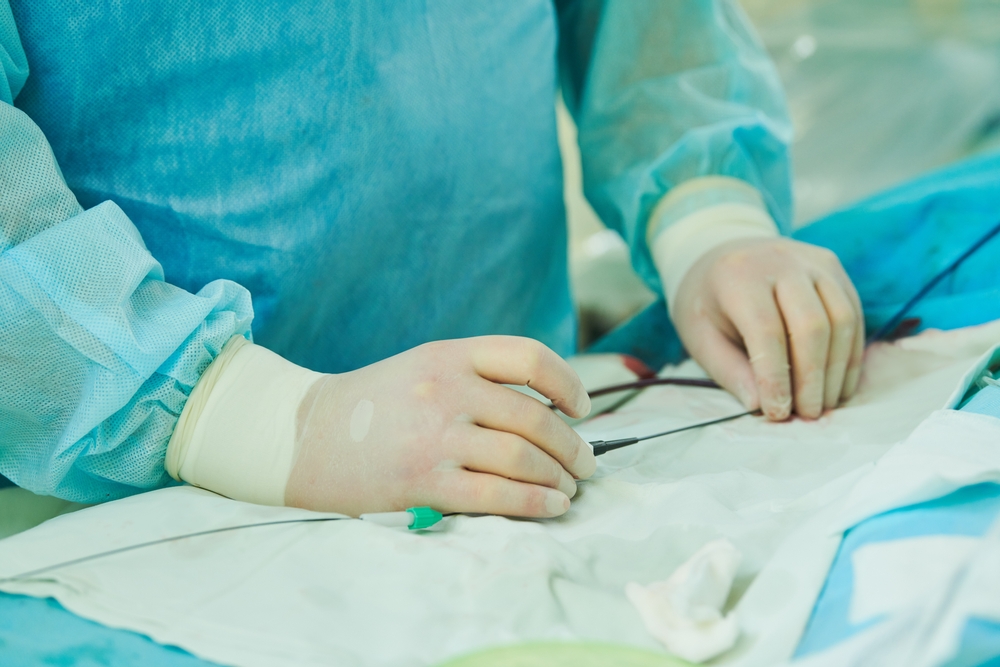
Pulse’s Anthony Harris treats patients with varicose veins at Pulse clinics nationwide. For more information, go to About us.