

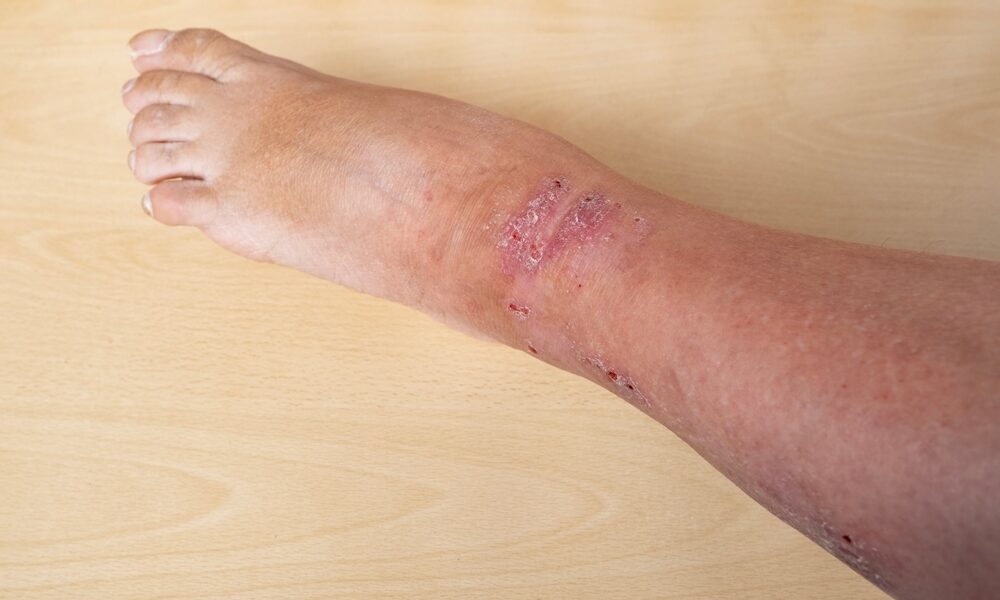
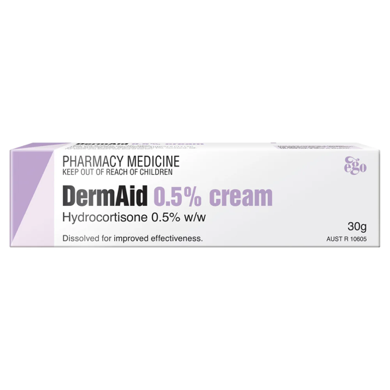
Eczema is a common skin condition that shows up as itchy patches that get itchier the more you scratch. Often runs in families/whānau and often goes hand in hand with having other allergies like asthma or allergies to pets. Soothing creams and hydrocortisone creams can take the edge off of flare ups for sufferers. Use with guidance. There is no known cure for eczema. Venous eczema also shows up as itchy patches but mostly on the lower legs and ankles.
How venous eczema is different to general eczema
Venous eczema, although it sounds familiar, is different. True, it may also run in families/whānau but it doesn’t react to the environmental factors, like pollens and irritants like soap, causing a flare up like general eczema does.
Both types of eczema can make your skin red and itchy but common eczema can appear anywhere on the body. Venous eczema is mostly on the lower legs and ankles, often a sign that your blood isn’t flowing as well as it should be.
Swelling and discoloured skin are not typically signs of common eczema
You may notice swelling or the skin may look brownish due to long-term changes in blood flow. In some cases, the skin can become thick or develop sores or ulcers if left untreated. An ulcer needs to be managed carefully, often taking weeks to heal.
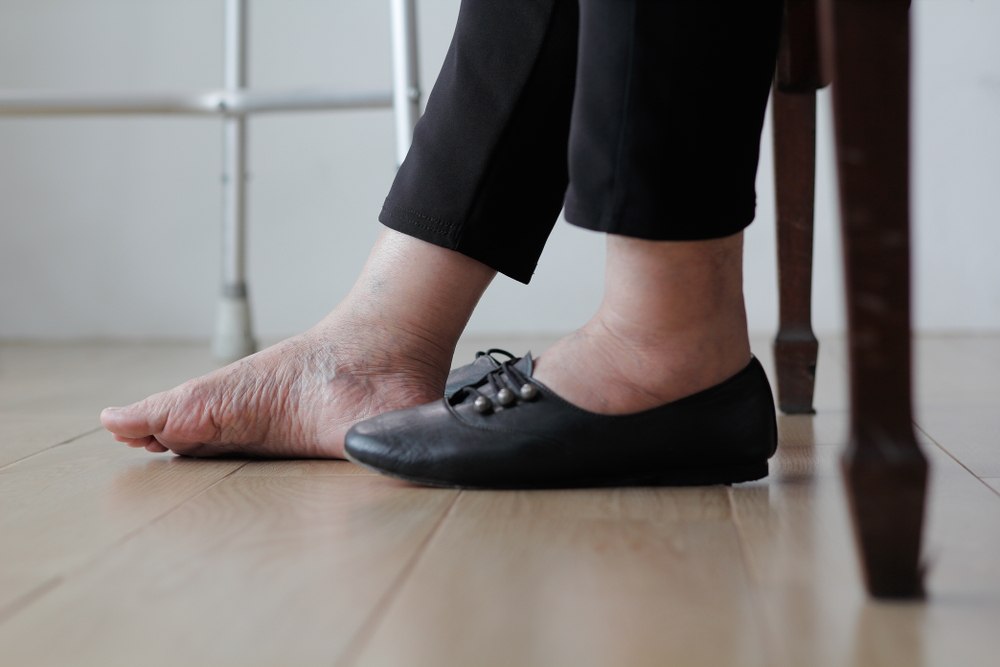
The actual cause of the swelling or discolouration may be varicose veins or other circulation issues. Varicose veins are most often ropey and twisted veins on the surface of the legs. But can also be beneath the skin’s surface, too.
Topical creams will help calm venous eczema too. It’s important eczema is checked out. Especially if you notice swelling and discolouration and you’ve had symptoms for a while.
If you’re unsure, chat with our team. We will organise an ultrasound scan to give us information on what’s going on beneath the skin and then recommend the best varicose veins treatment if needed.